
ANDALUCIA TO GRAN CANARIA: PELAGICS & MACARONESIAN ENDEMICS
DAY 1 ARRIVAL IN GIBRALTAR (18th July 2026)
Plan on arriving today into Gibraltar Airport (Airport code: GIB) and we'll have a little time to take a look around this fascinating British Overseas Territory, maybe enjoy a coffee and chances are good to observe a variety of storks, kites and eagles beginning their migration south over the Straits of Gibraltar. We will spend the night in Spain and a lovely villa where we will be based for the next 3 nights.
DAYS 2 - 3 ANDALUCIA

Exactly what and where we go over these next two days is flexible and a little weather dependant. If conditions are right we can head to a clifftop viewpoint and observe streams of storks and raptors migrating south. However, our main priority will be to target a couple of extremely localised Western Palearctic specialities. First of all we will head to a breeding site for White-rumped Swift, a species that only breeds at a few sites in southern Spain. We are also hoping that the Ruppell's Griffon Vulture will return and take up residence around a large Eurasian Griffon Vulture colony - another rare WP species.
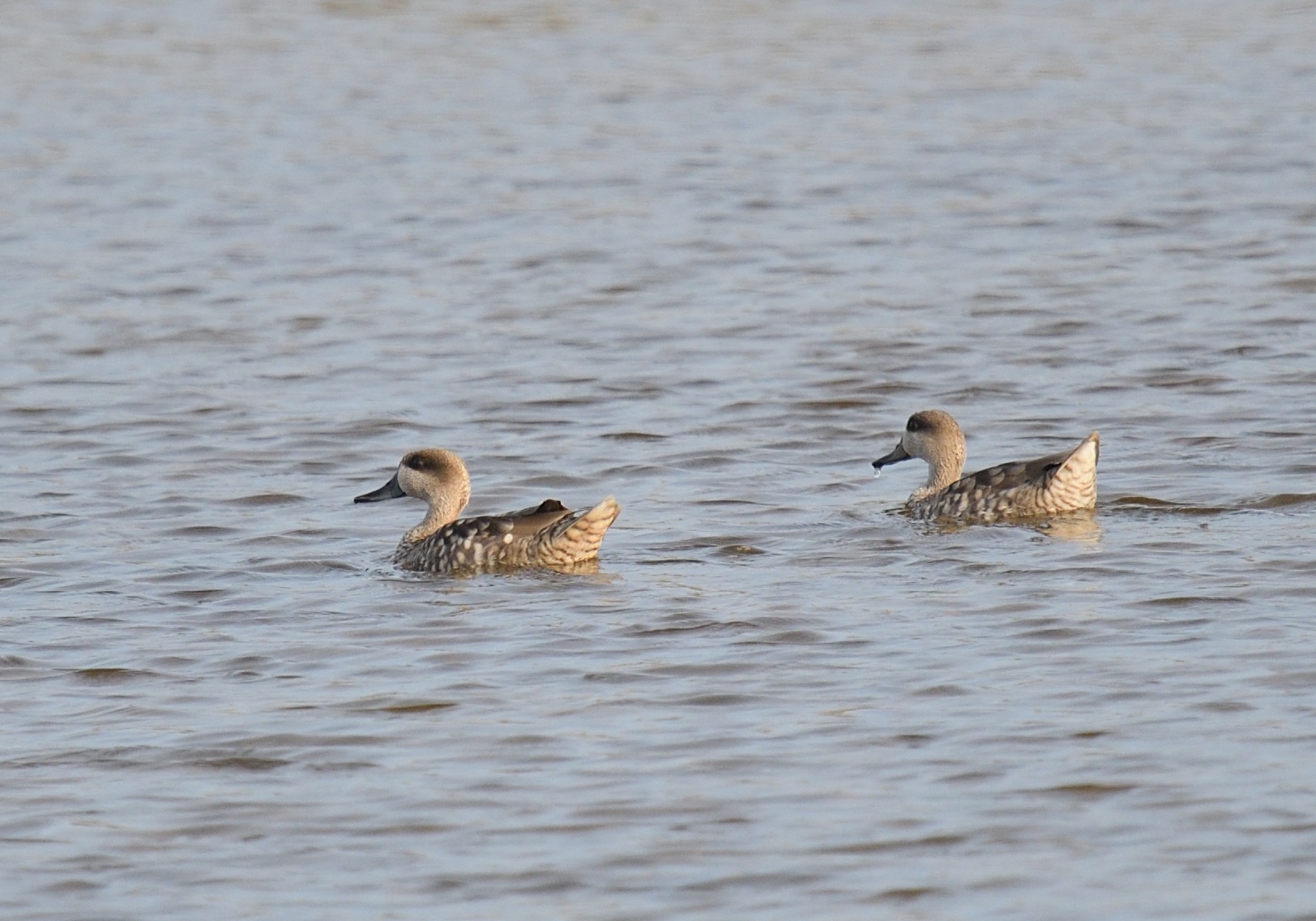
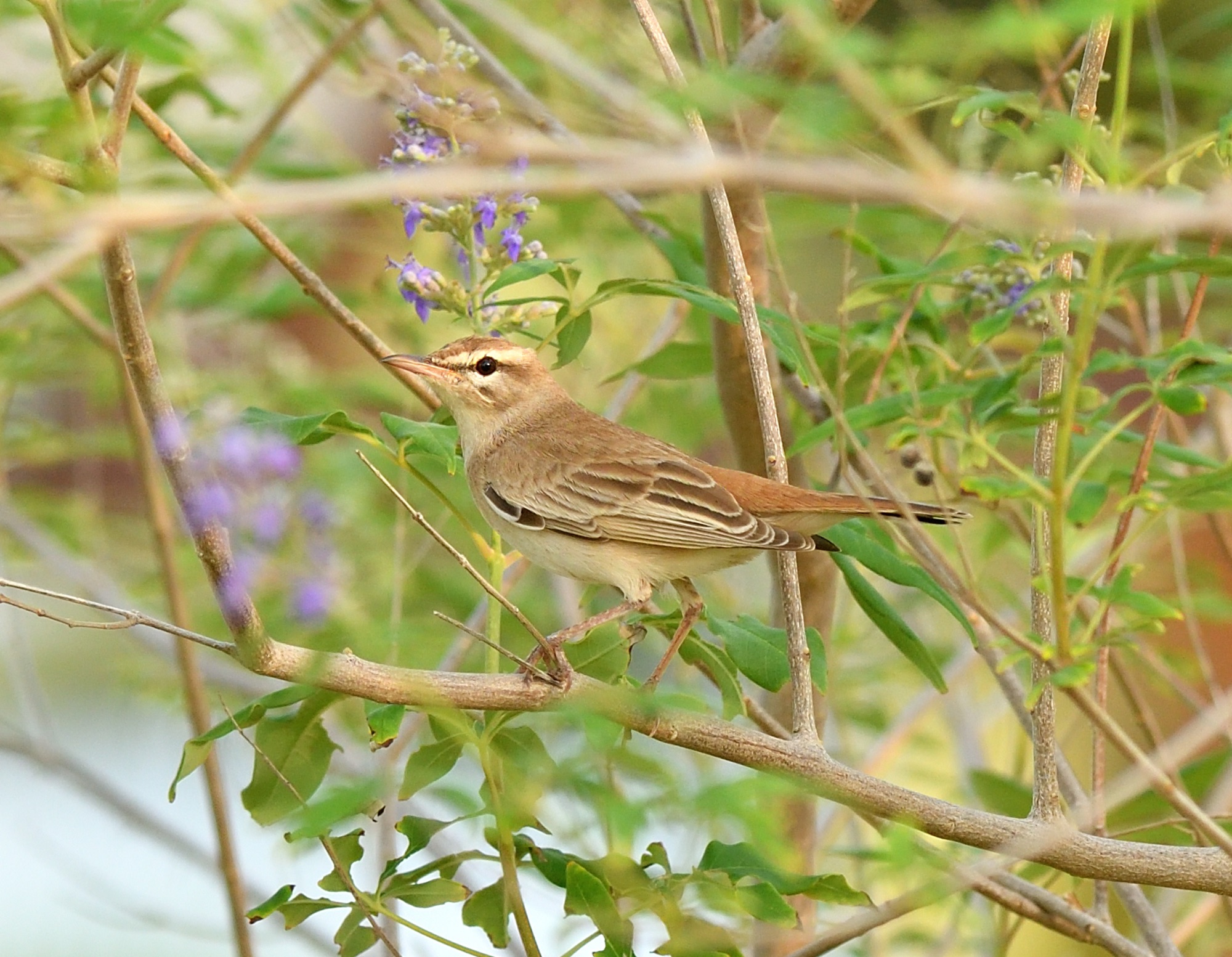
There's a fine supporting cast of species to look for amidst the forests, lagoons and marshes including Marbled & White-headed Ducks, Red-crested Pochard, Black-necked Grebe, Red-knobbed Coot, White Stork, Glossy Ibis, Black Kite, a variety of shorebirds, Collared Pratincole, Red-necked Nightjar, Iberian Green Woodpecker, Short-toed Treecreeper, Calandra Lark, Pallid & Alpine Swifts, Western Black-eared Wheatear, Rufous-tailed Scrub-Robin, Crested Tit, Hawfinch, Spanish Sparrow, Iberian Yellow Wagtail, Rock Bunting and we'll hopefully see Spanish Imperial Eagle as well.
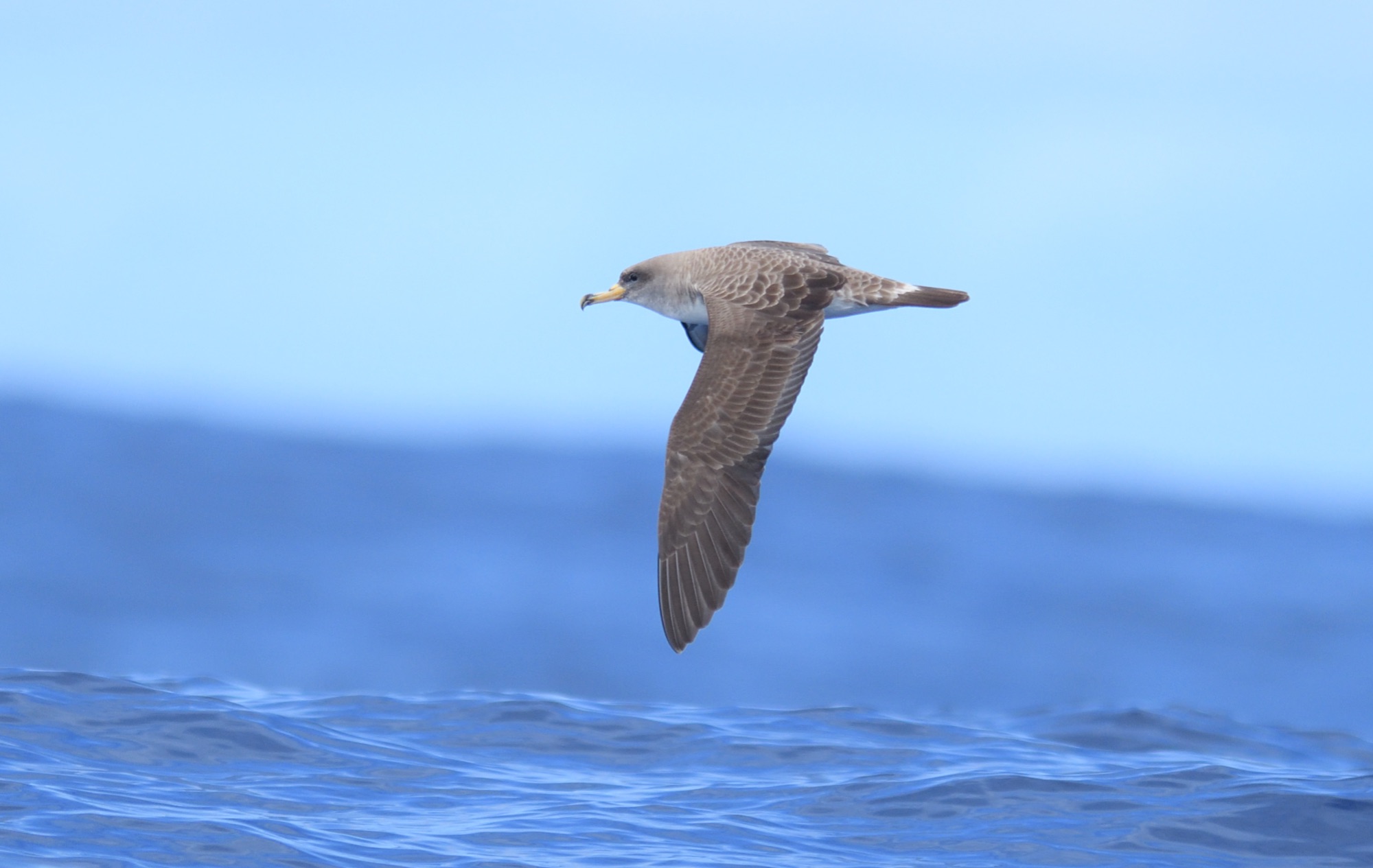
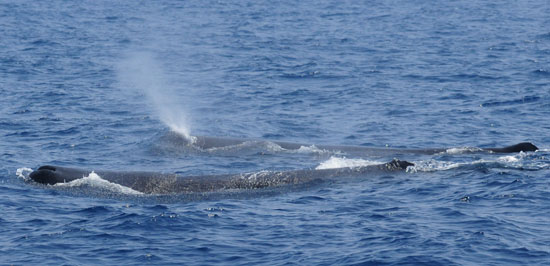
We will also take a boat ride out into the Mediterranean Sea where we will hopefully see a few seabirds including our main target of Scopoli's Shearwater. But there's also Cory´s and Balearic Shearwaters, Wilson´s Storm-Petrel also possible. Chances of cetaceans are good and we regular species include Long-finned Pilot Whale, Common, Striped & Bottlenose Dolphins with rarer sightings at this time of year including Sperm Whale, Fin Whale and sometimes even Killer Whale.
We are in for an exciting couple of days birding in Andalucia with delicious picnic lunches set amidst some beautiful countryside and each evening we can relax at our delightful villa.
DAY 4 CADIZ PELAGIC BEGINS
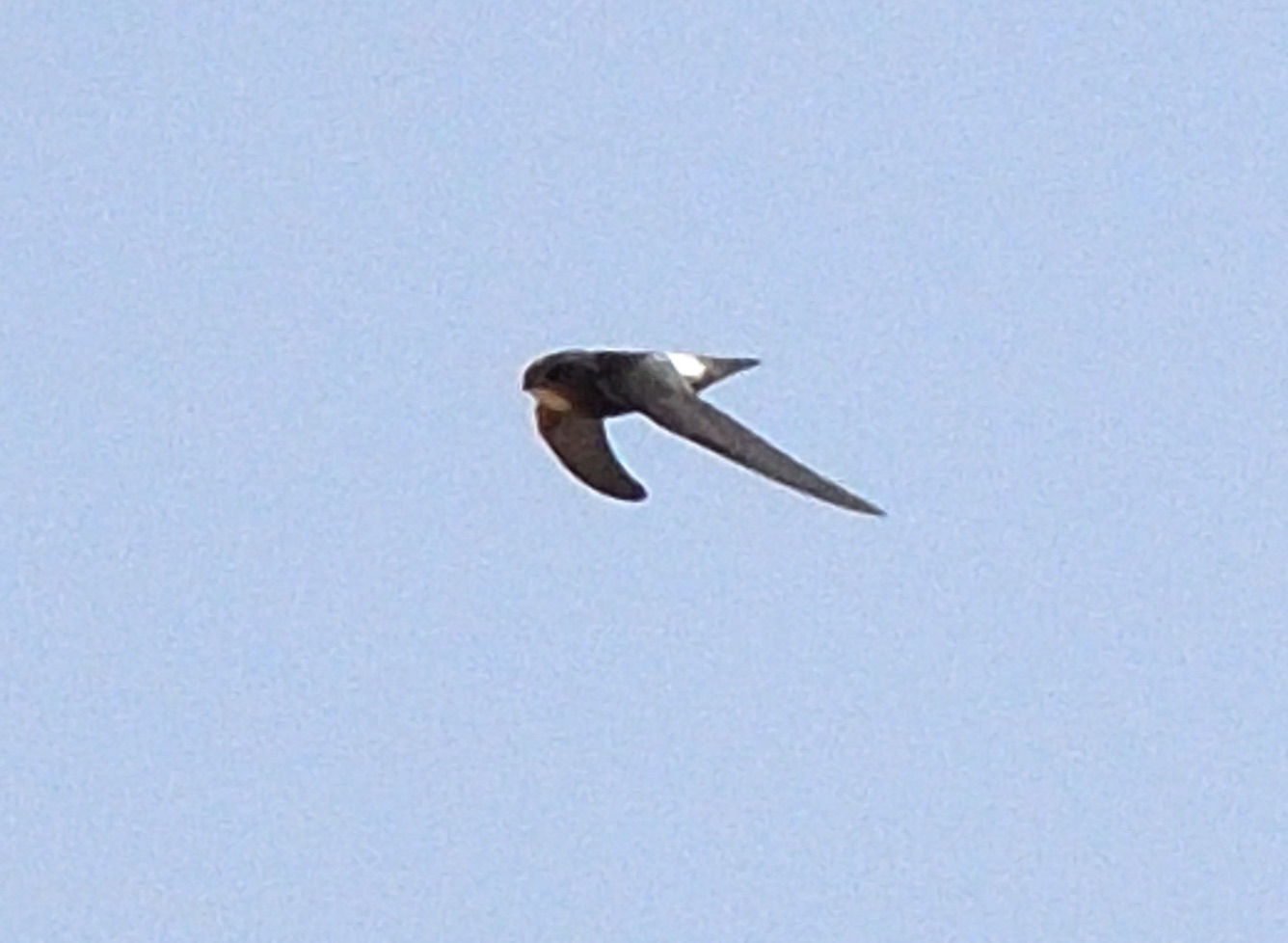
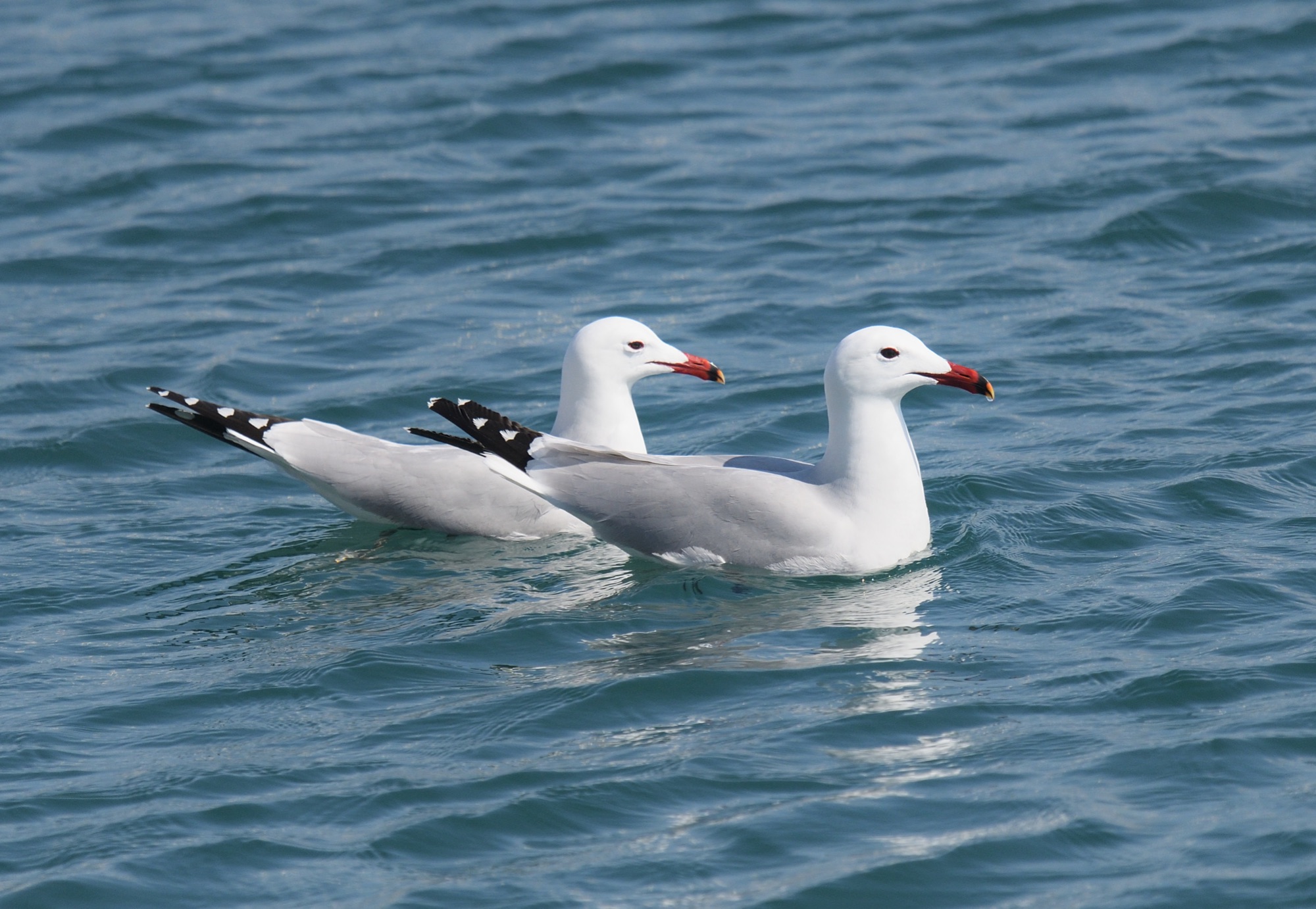
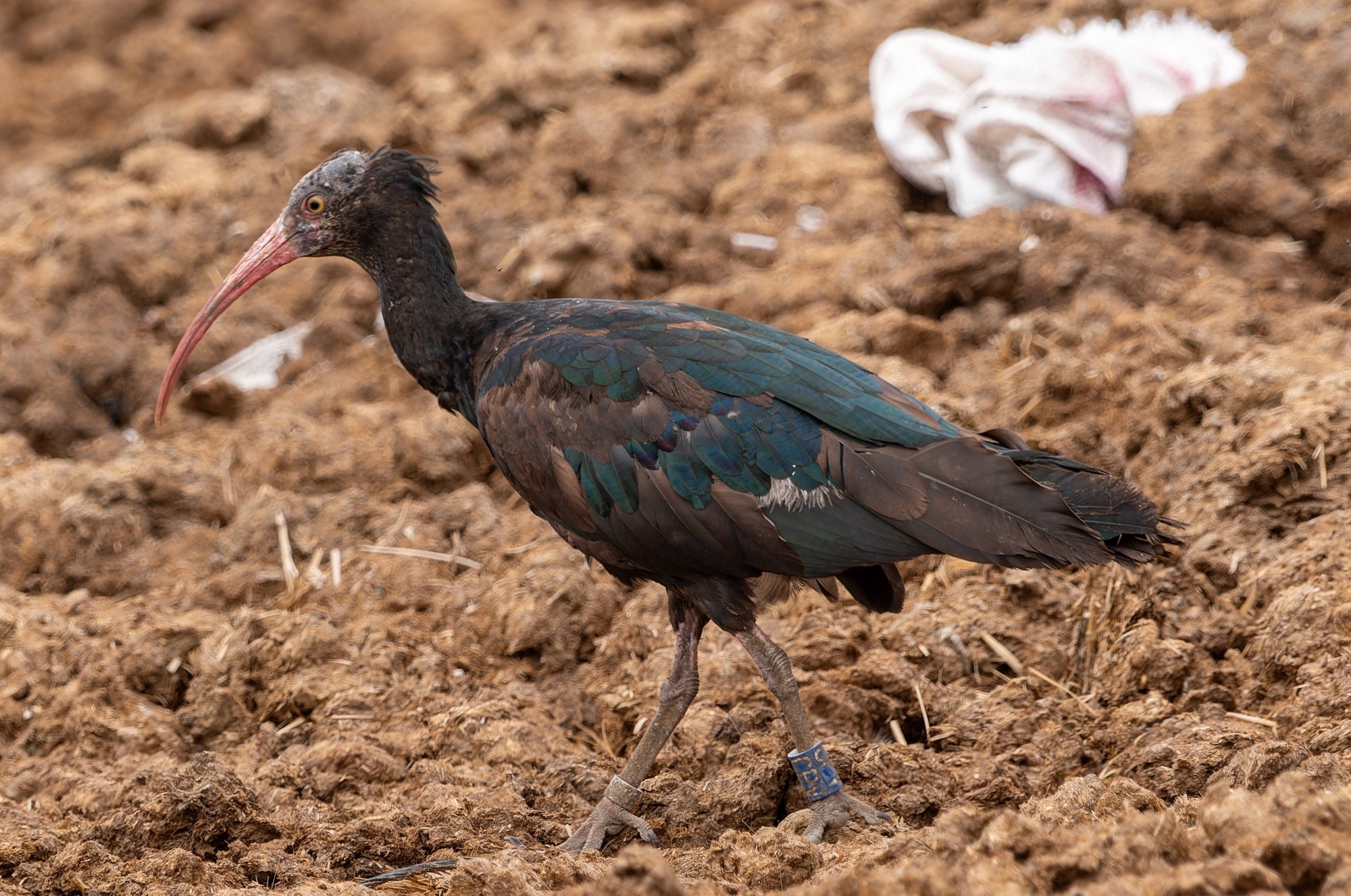
We are going to head up the coast towards Cadiz this morning and visit a colony of Little Swifts. There's some brilliant coastal marshes along our route and we should see White-headed Duck, a good variety of shorebirds, Slender-billed & Audouin's Gulls, Caspian Tern, Rufous-tailed Scrub-Robin, and more! There's even a colony of Critically Endangered Northern Bald Ibis to see as well.
Our ferry departs Cadiz at 2pm and takes around 30 hours to reach Gran Canaria, so we have almost 8 hours of daylight for a really good seawatch this afternoon as we sail south across the Atlantic Ocean.
DAY5 AT SEA
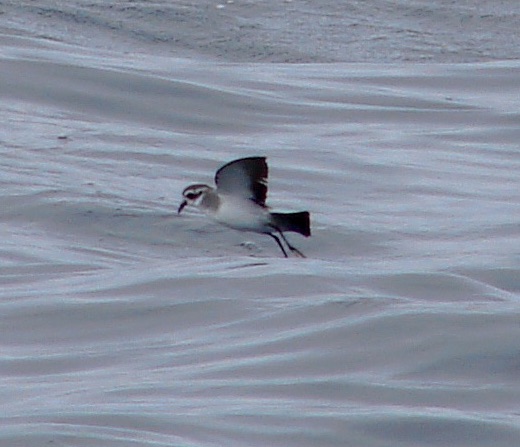
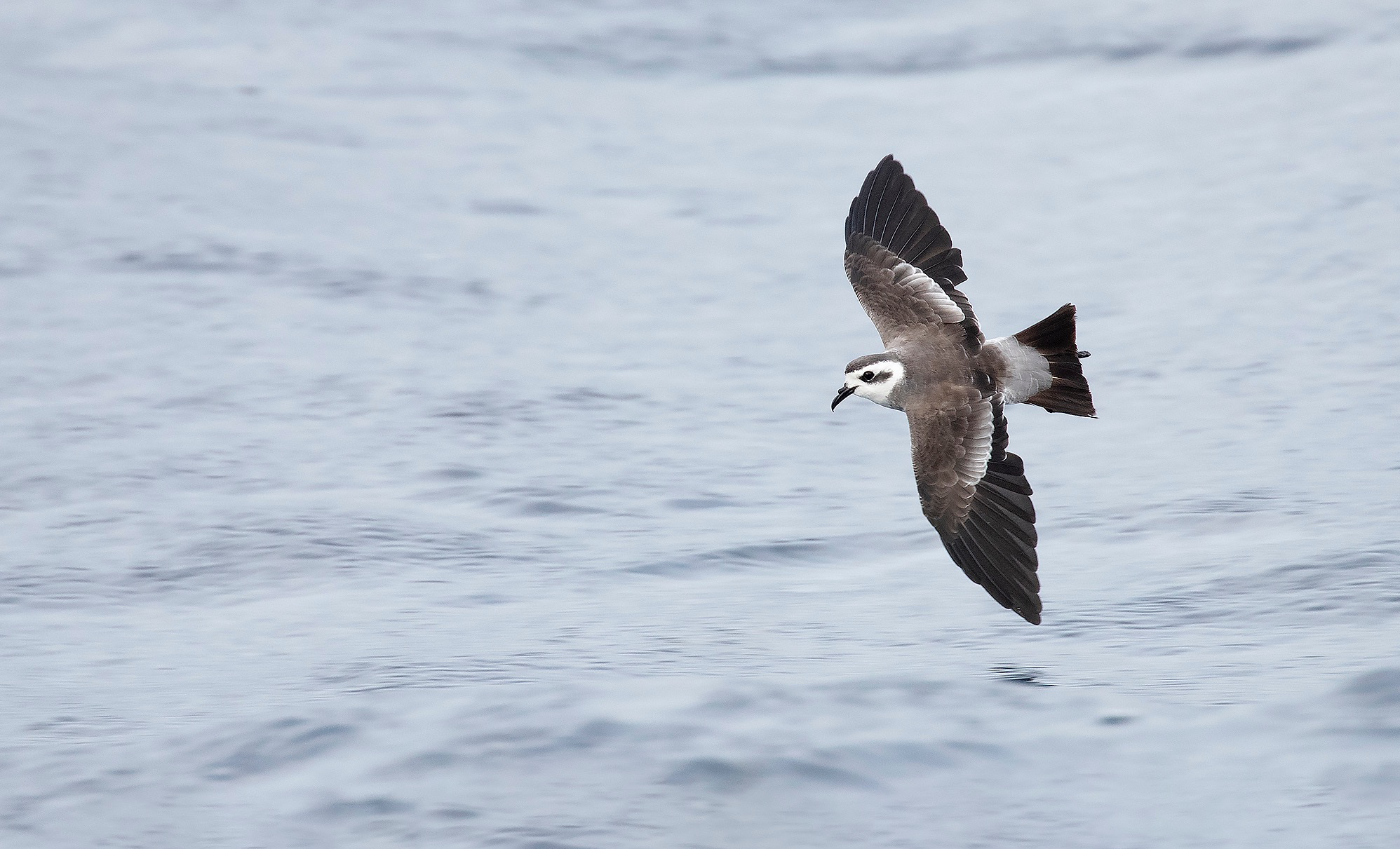
We are going to be in very good pelagic waters today so there's plenty of opportunity to see some excellent seabirds such as Barolo Shearwater and hopefully White-faced Storm-Petrel. Other possibilities include Bulwer's Petrel, Cory's Shearwater, Wilson's Storm-Petrel and depending on sea conditions we are hoping for something rarer, how about Band-rumped Storm-Petrel? There have been some truly outstanding seabirds found in the northern hemisphere over the past few years so we need to be prepared and expect something mega!
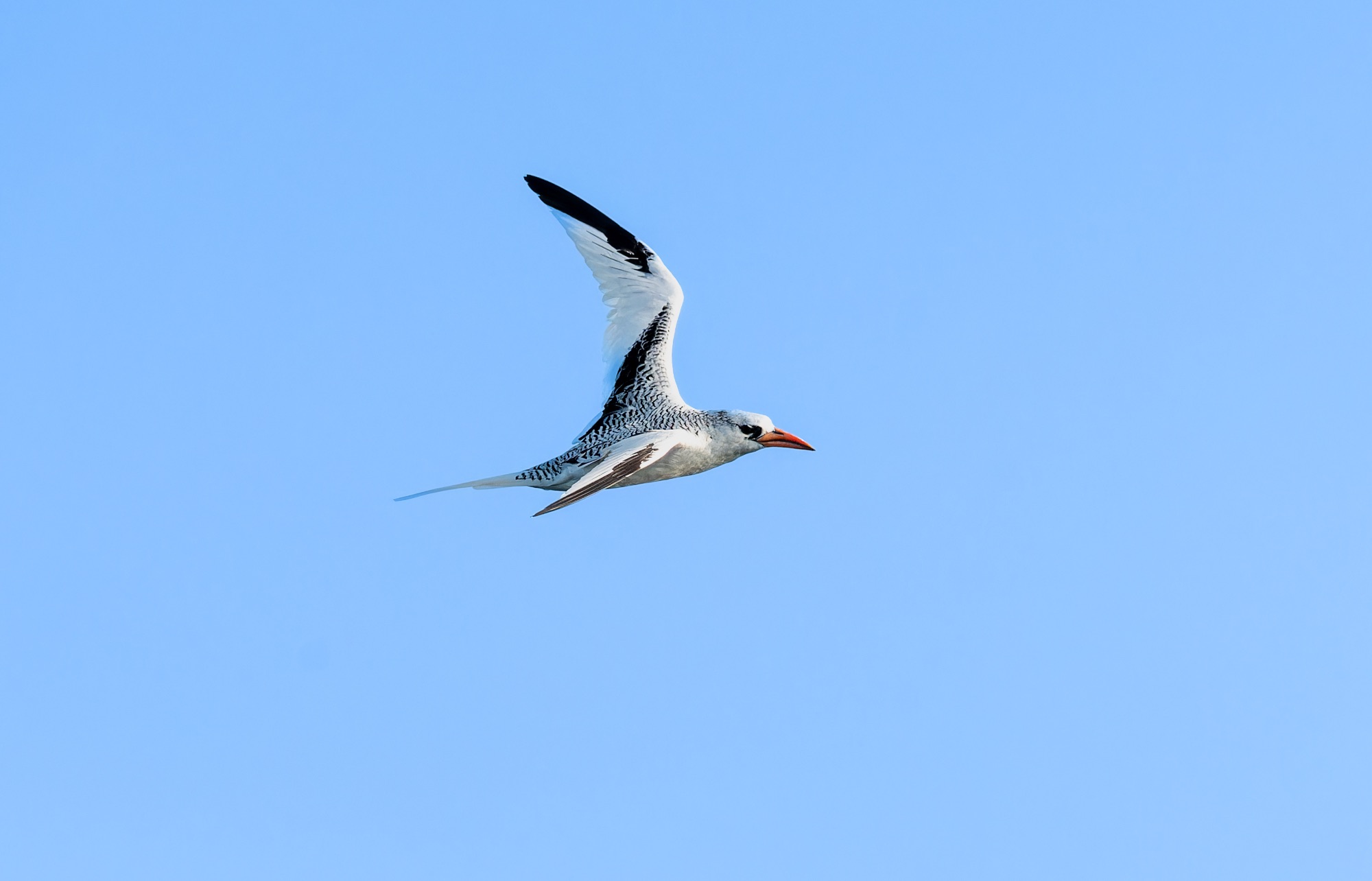
We are scheduled to arrive at Arrecife, Lanzarote at 5pm and then after an hour in port keep sailing for another 3 hours to our final destination of Fuerteventura. So we'll keep seawatching and let's hope for a Red-billed Tropicbird! Upon arrival we will collect our rental cars and head to a nearby hotel for a 2 night stay.
DAY 6 FUERTEVENTURA, CANARY ISLANDS
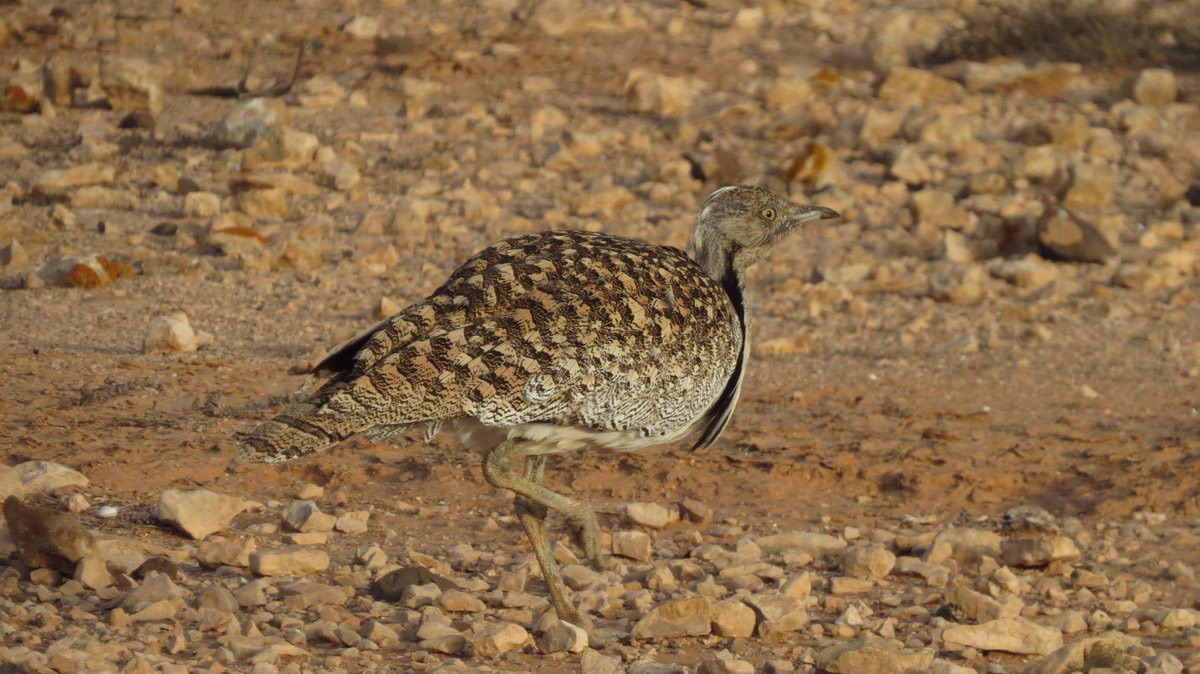
Fuerteventura is just 100kms from the coast of Morocco and its birdlife & climate are greatly influenced by the nearby continent of Africa. And so we have come here to hopefully find African Houbara (fuertaventurae), which fortunately has a rather healthy population on this island. Our other main target is Canary Islands (Fuerteventura) Stonechat and we should get some nice views of this island endemic. If we are lucky we could spot a Red-billed Tropicbird (mesonauta) that can sometimes been seen along the coast.
Other species present include Ruddy Shelduck, Barbary Partridge, Black-bellied Sandgrouse, Egyptian Vulture (majorensis), Cream-coloured Courser, the endemic races of Western Barn Owl (gracilirostris) and Long-eared Owl (canariensis), Great Grey Shrike (koenigi), Plain Swift, Mediterranean Short-toed Lark, Berthelot's Pipit, Spectacled Warbler (orbitalis) & Trumpeter Finch (amantum) and Common Linnet (harterti) amongst others.
DAY 7 FUERTEVENTURA – GRAN CANARIA
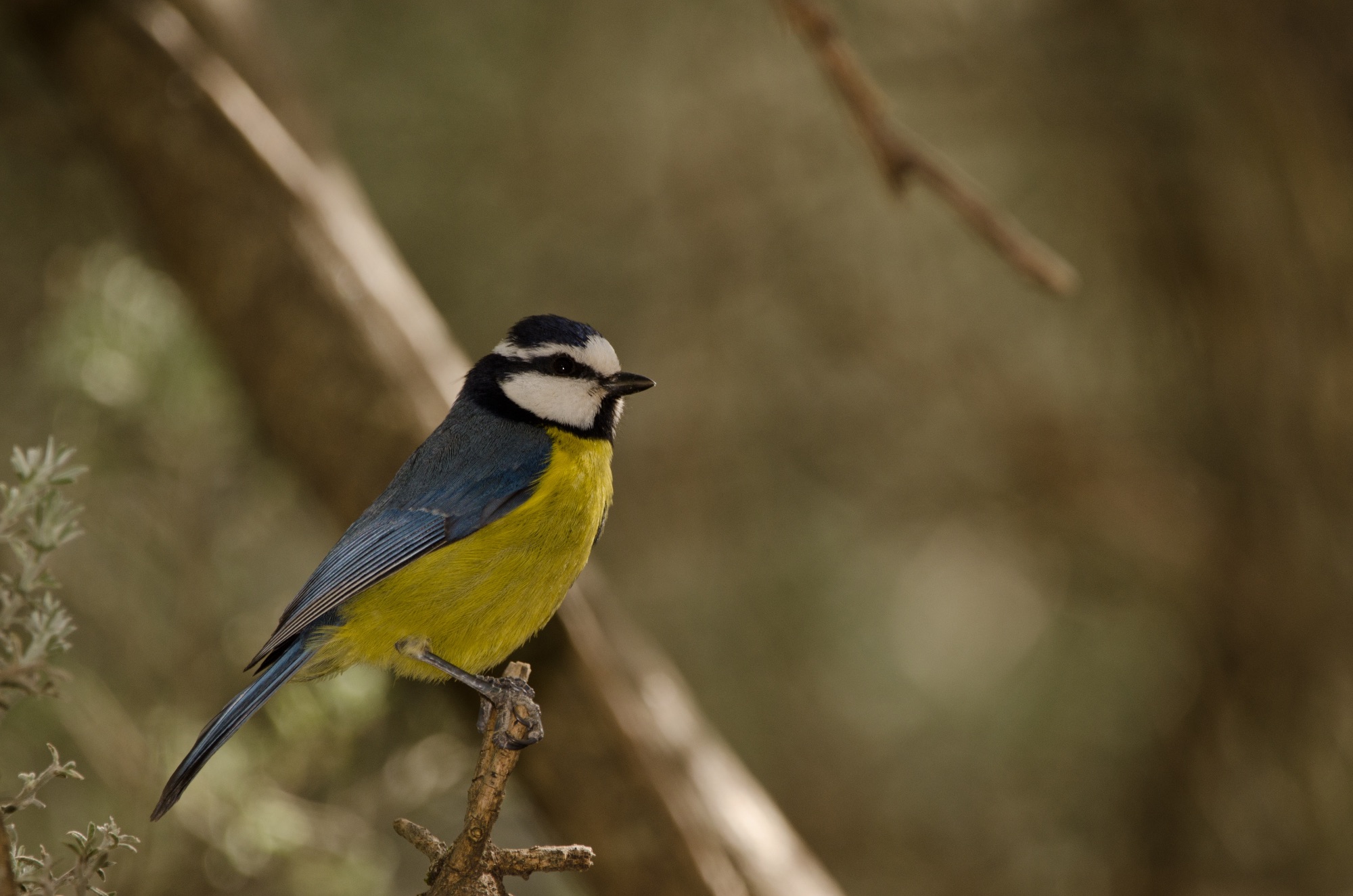
After some pre-breakfast birding we will take the mid-morning flight to Gran Canaria. After checking in to our lovely hotel we will drive up towards Pico de las Nieves (1,949m) in search of the the very rare Gran Canaria Blue Chaffinch.
Day 8 GRAN CANARIA
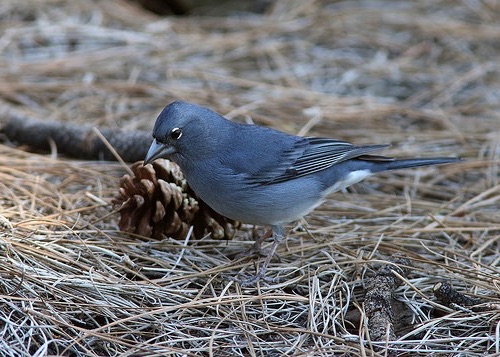
We have a full day to secure better views of Gran Canaria Blue Chaffinch, a species that has been split from Tenerife Blue Chaffinch.
There's also the Macaronesian endemic Laurel Pigeon (reintroduced), Canary Islands Chaffinch, Canary Islands Chiffchaff and Atlantic Canary, as well as local subspecies of Common Buzzard (insularum), Common Kestrel (canariensis), Great Spotted Woodpecker (thanneri), Linnet (meadewaldoi), European Robin (marionae) & Common Blackbird (cabrerae) amongst others.
DAY 9 GRAN CANARIA – END OF TOUR (26th July 2026)
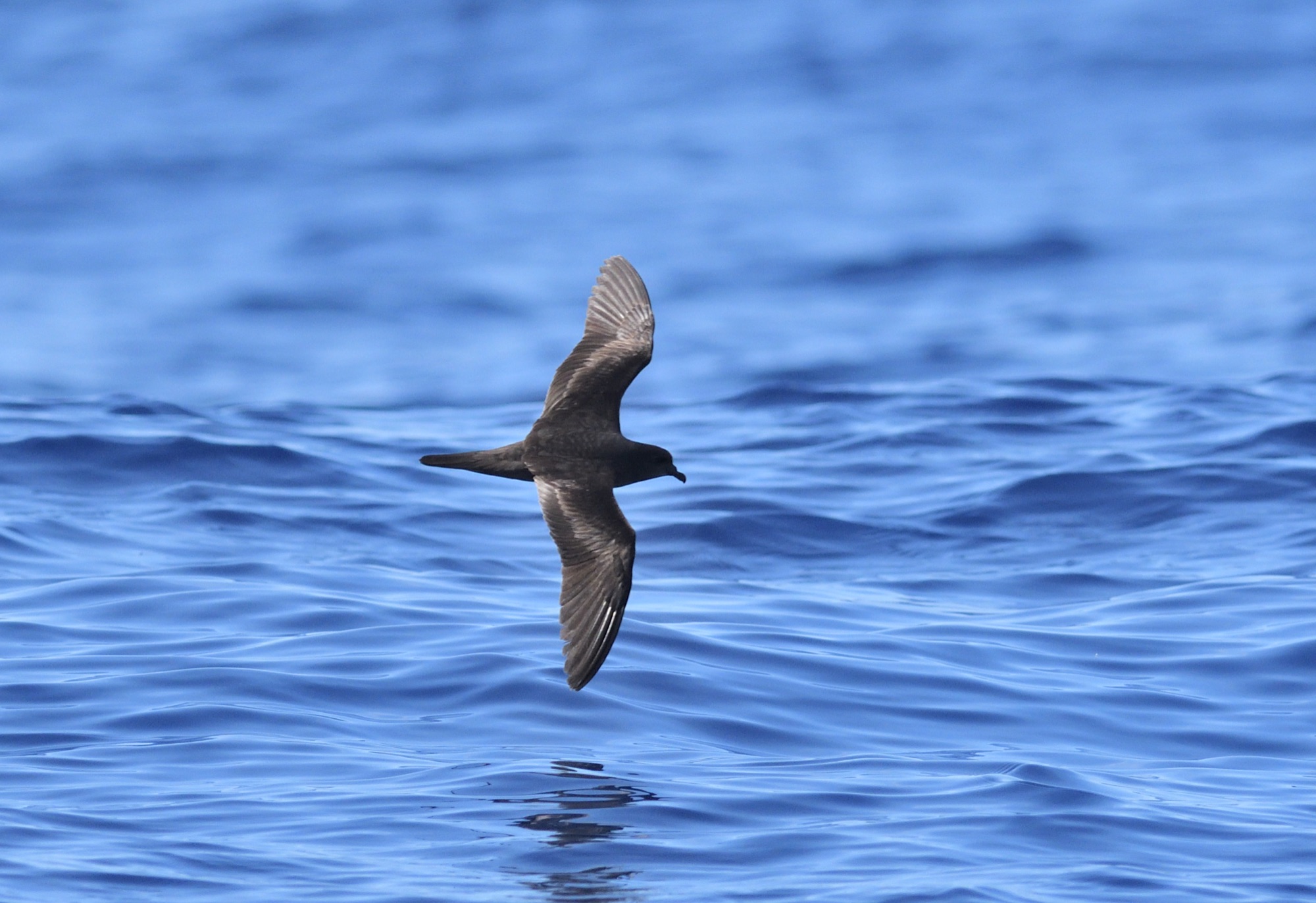
Depending on flight times we may have a few hours to catch up with any species we still want to see before transferring to the airport for our flights back home.
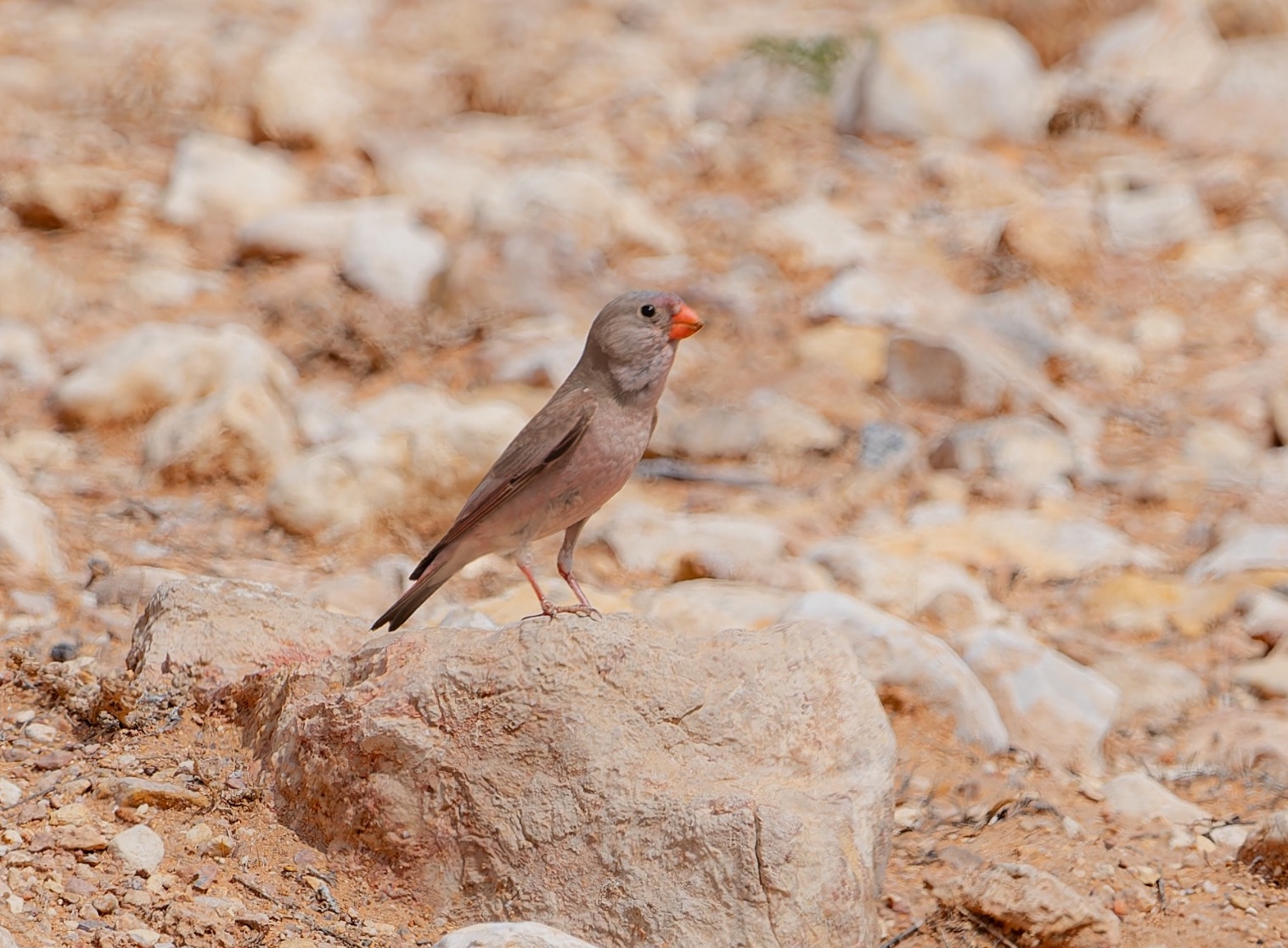
All photos copyright Nick Bray/Zoothera Birding.