FAR WESTERN KAZAKHSTAN - Birding the limits of the Western Palearctic
DAY 0 ARRIVAL INTO ATYRAU
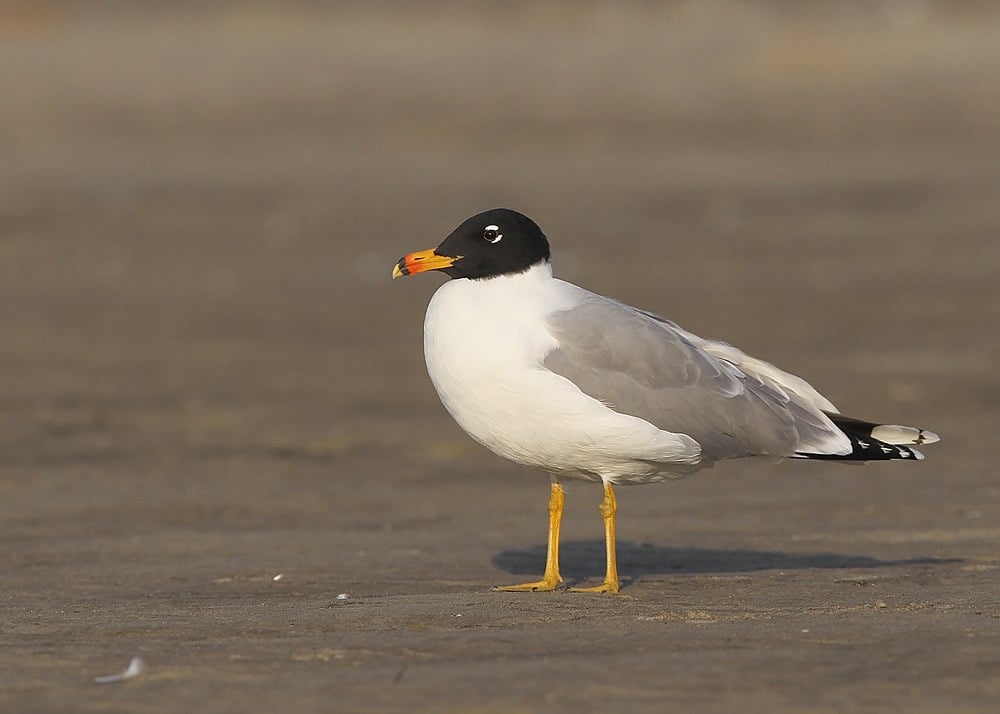
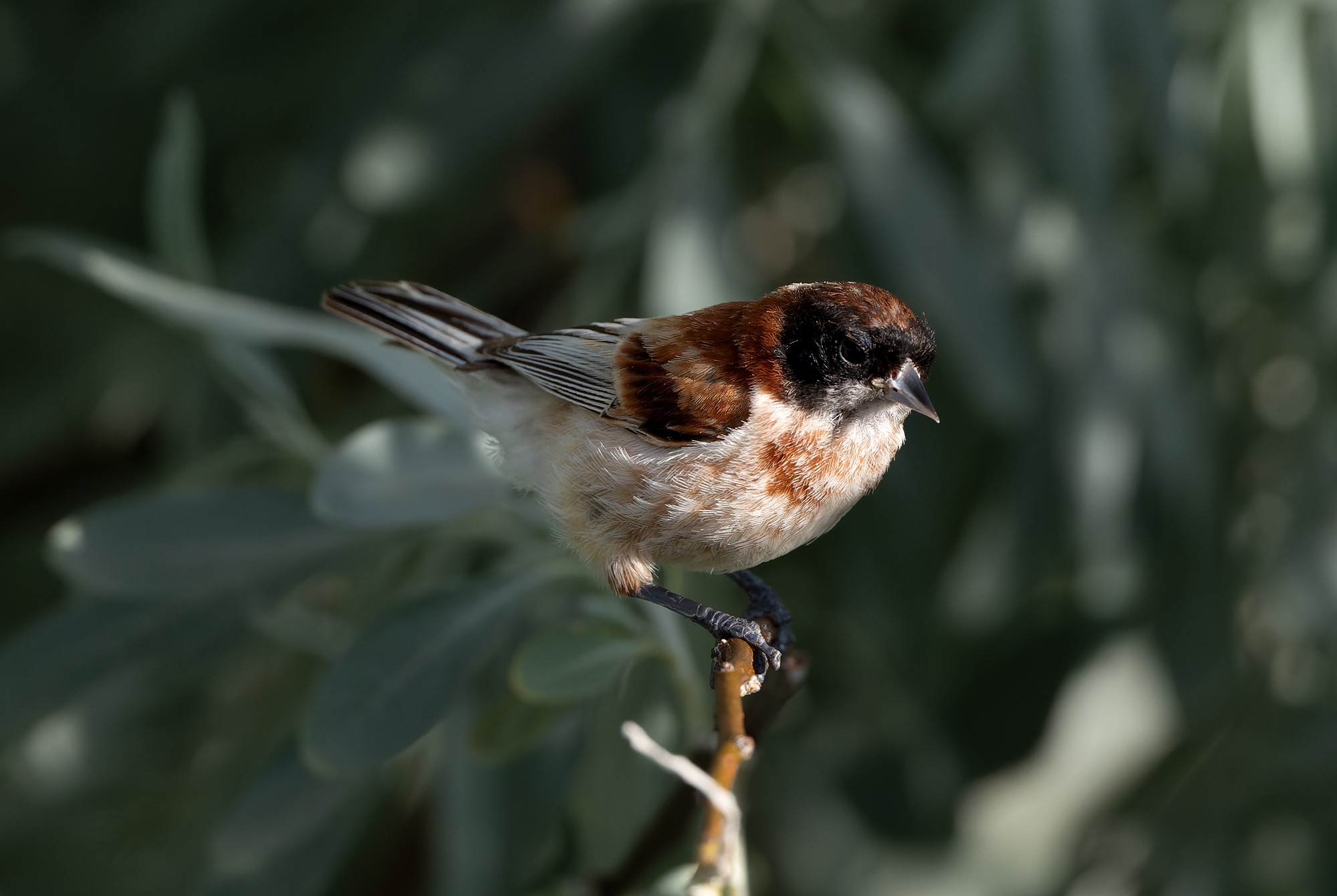
We recommend arriving into Atyrau today but no birding activities are planned, although the Ural River is a short ten minute walk away. Here, species such as Pallas's & Caspian Gulls, Eurasian Penduline Tit, and even Sykes's Warbler can be seen. We will have our first dinner together this evening and time to look forward to what the next week will bring. Night in Atyrau
DAY 1 ATYRAU - URAL STEPPE
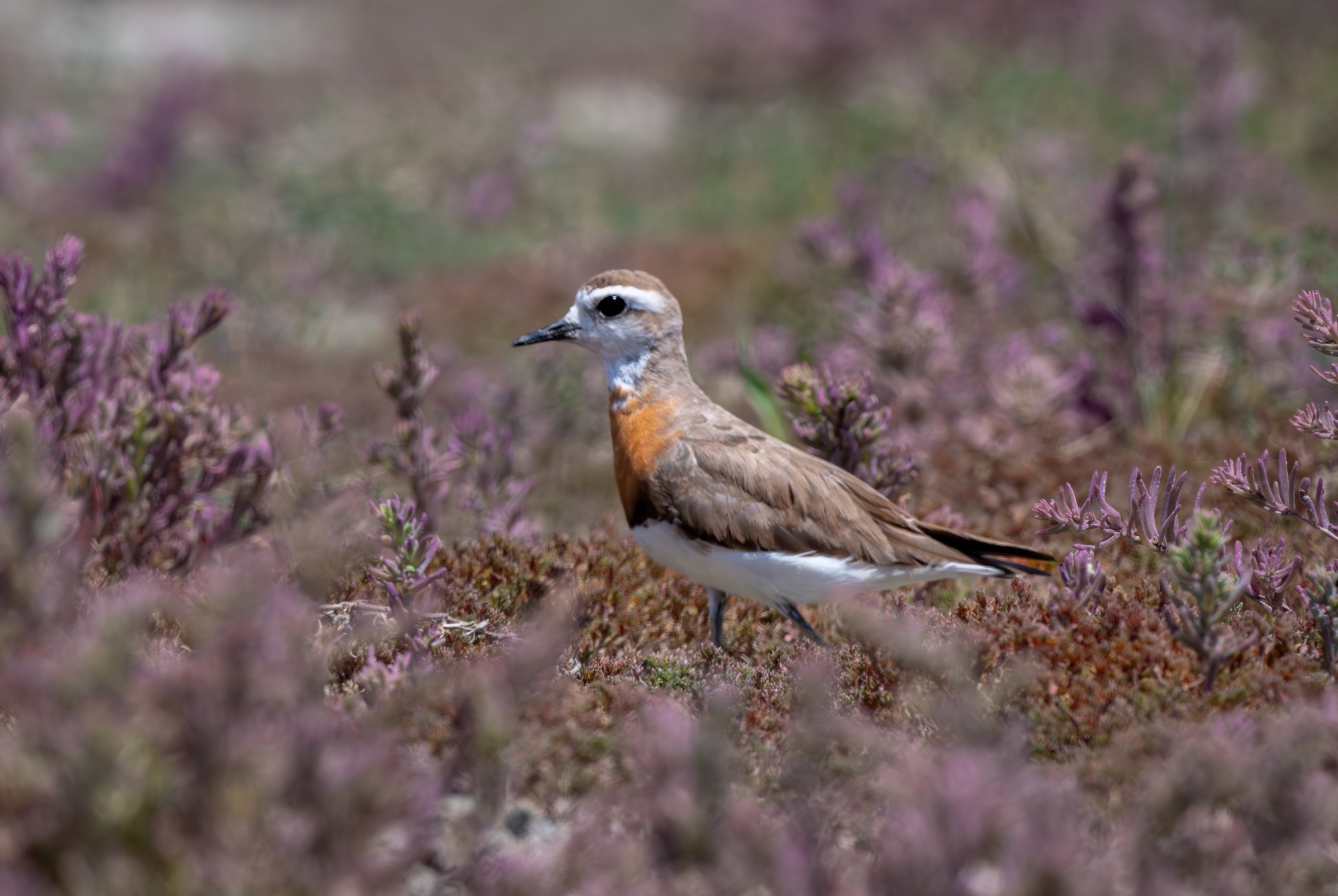
International arrivals from Istanbul usually arrive around 04:30, so if you do arrive at this time, be prepared for a full day's birding starting from the airport!
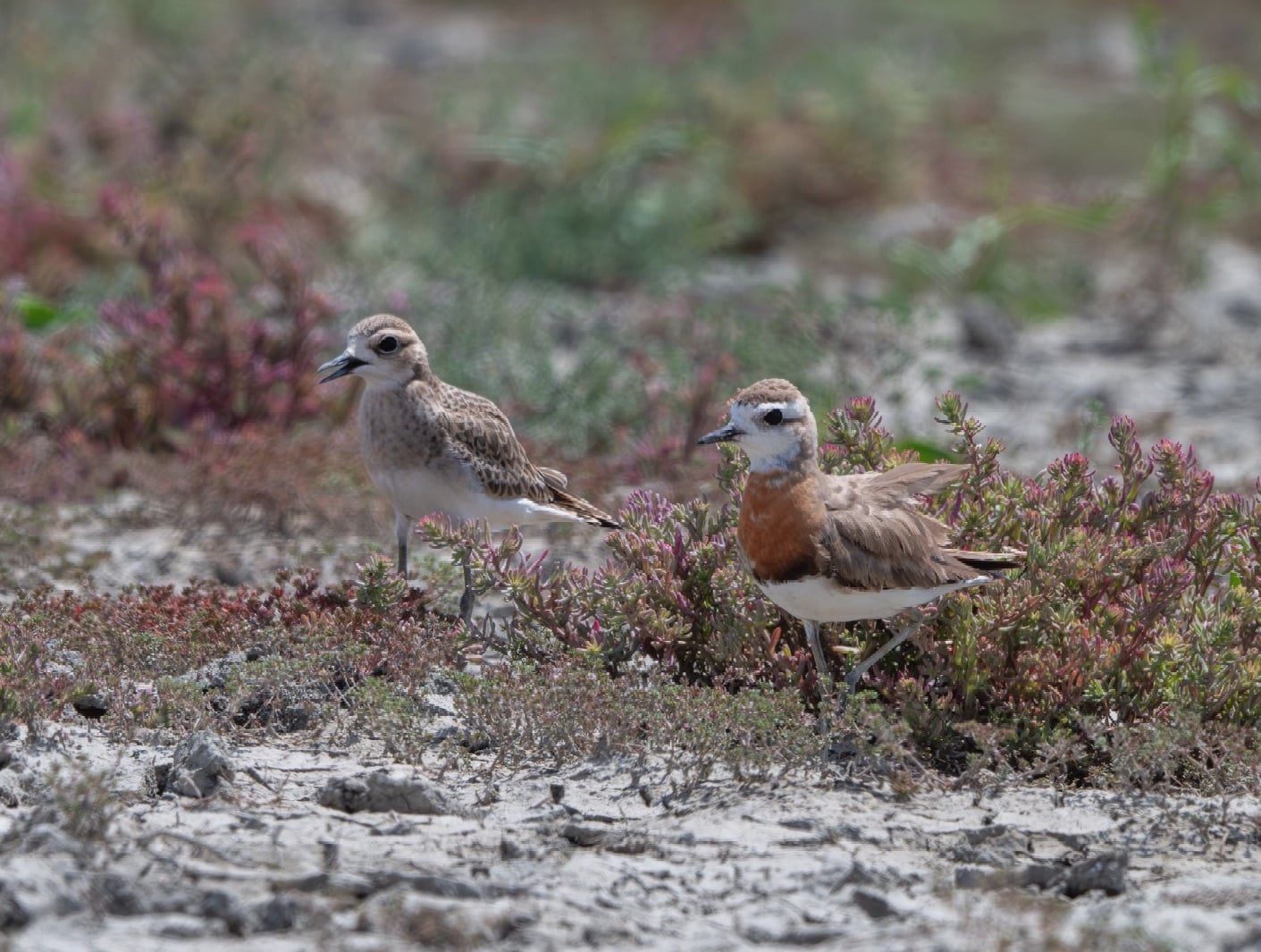
We will depart early on the drive into the west side of the Ural Delta with a packed lunch looking primarily for Caspian Plover. They require a specific micro-habitat in the vast steppe of recently dried pools with some standing water nearby. In 2026 they nested much earlier than is usual and we were lucky to find a group of at least 6 birds, so for 2027 we are visiting much earlier to cover all eventualities.
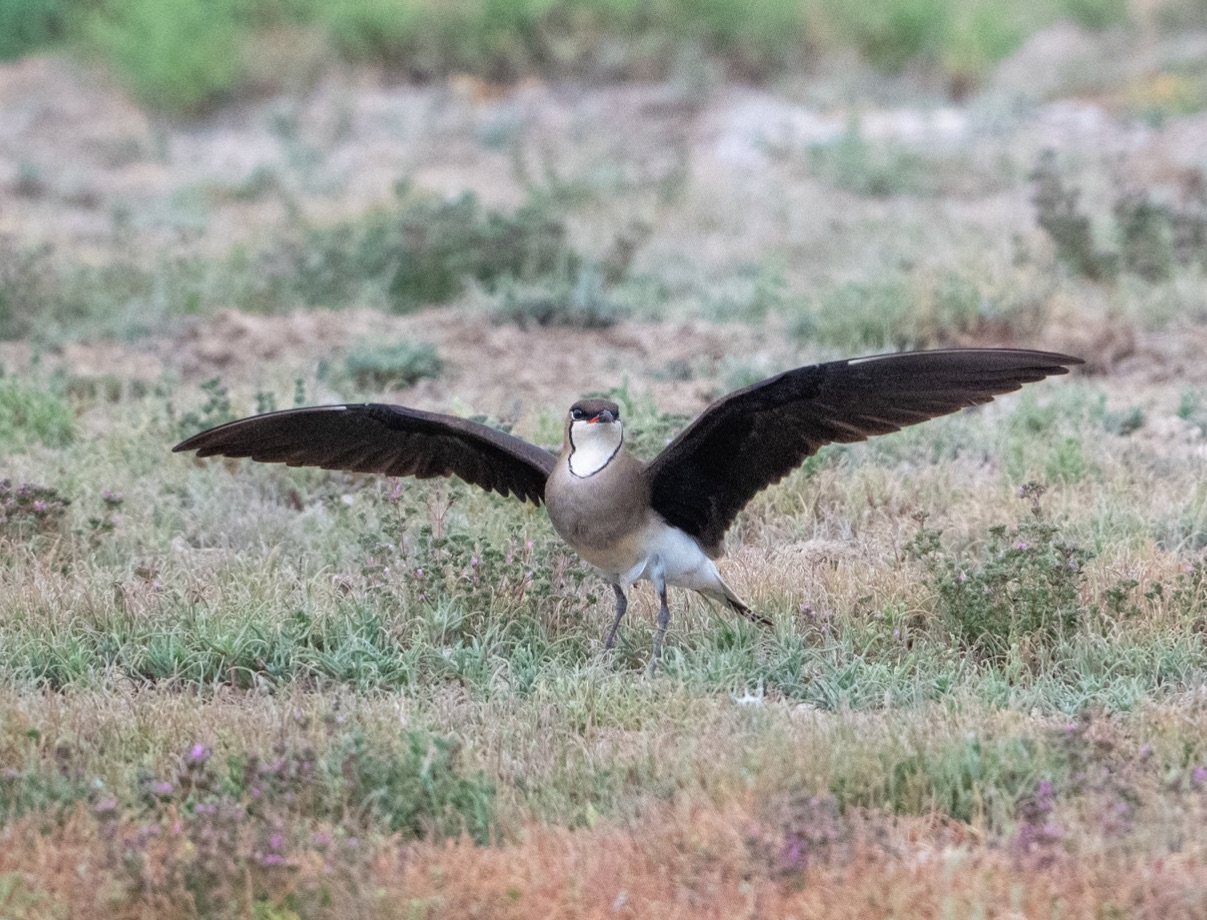
Our exploration of this vast area will also produce a number of other notable sightings. In the steppe we could also see Kentish Plover, Black-winged Pratincole, Black Tern, European Roller, Blue-cheeked Bee-eater, Eurasian Hoopoe, potentially Siberian Stonechat, and both Red-backed & Lesser Grey Shrikes. Another major target species we should see without too much difficulty is Sykes's Warbler, and this species is not uncommon! This area also gives us our first chance of bunting into Western Palearctic royalty in the form of Pallas's Sandgrouse. There is less than a 40% chance of seeing this enigmatic, nomadic species but they often breed about 90kms away from Atyrau, but on the Asian side of the Ural River!, We did see this species on our 2026 tour, so let's keep our fingers crossed.
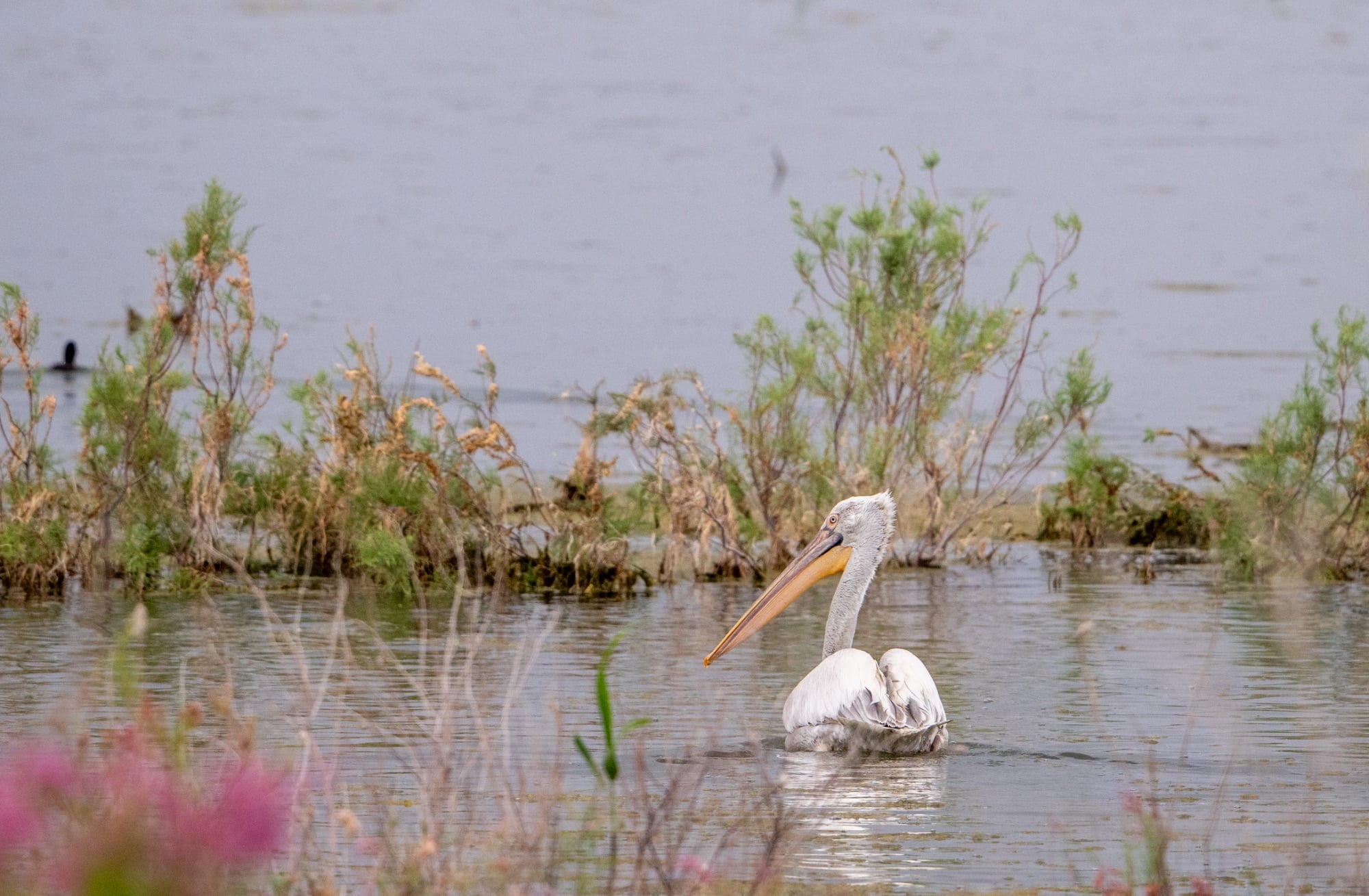
At the strangely named Atyrau Evaporation Pond, more like a huge lake, we can see Black-necked Grebe, Whooper Swan, Dalmatian & Great White Pelicans, White-headed Duck, Whiskered, Black & White-winged Terns, Pallas's & Caspian Terns, along with a decent variety of other more common wildfowl. It's an exciting site and we are hopeful of finding something more unusual during our visit.
In the distant past there were rare notes about Siberian Crane being present in this region, and even Long-tailed Shrike nested once in Atyrau, so you never know what could turn up in this far outpost of the Western Palearctic! Night will be spent in Atyrau again.
DAY 2 ATYRAU - INDERBOR STEPPE
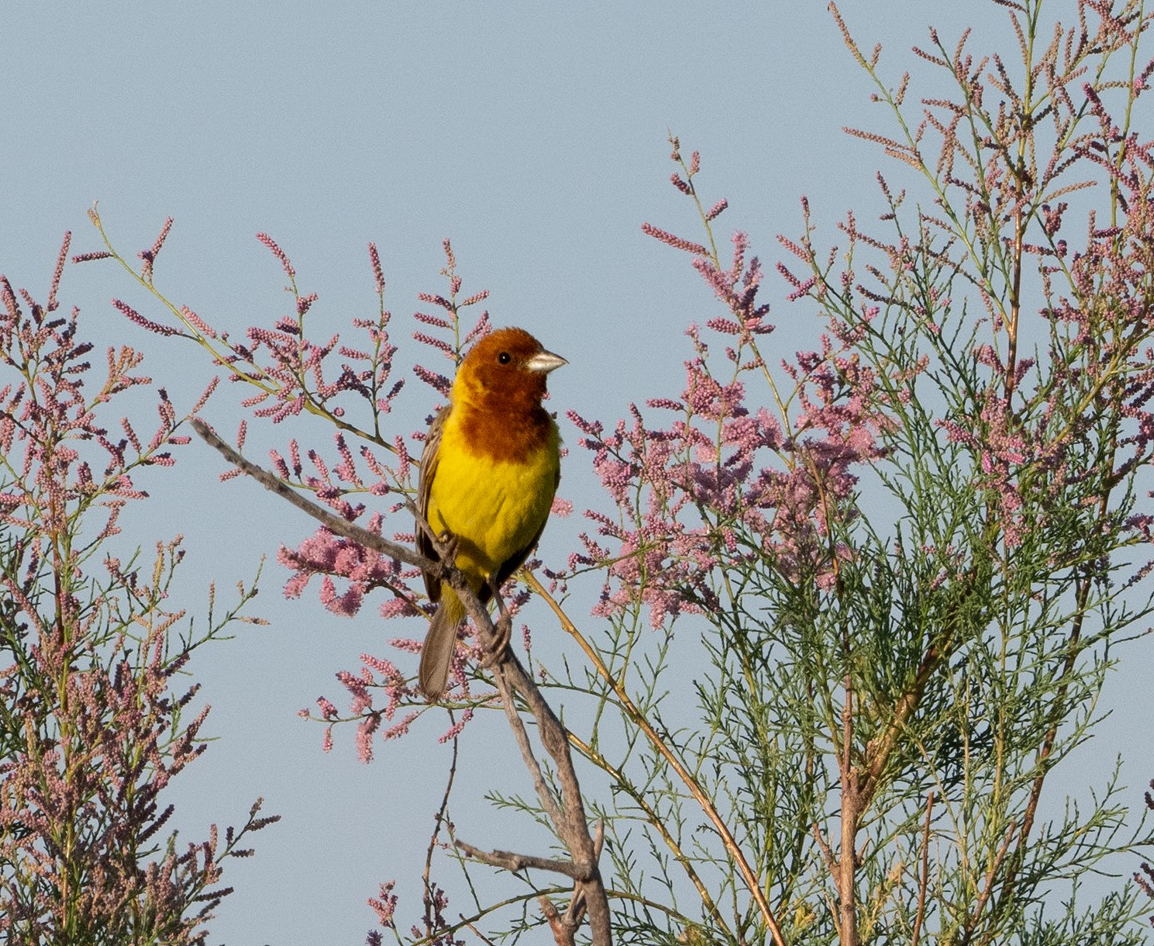
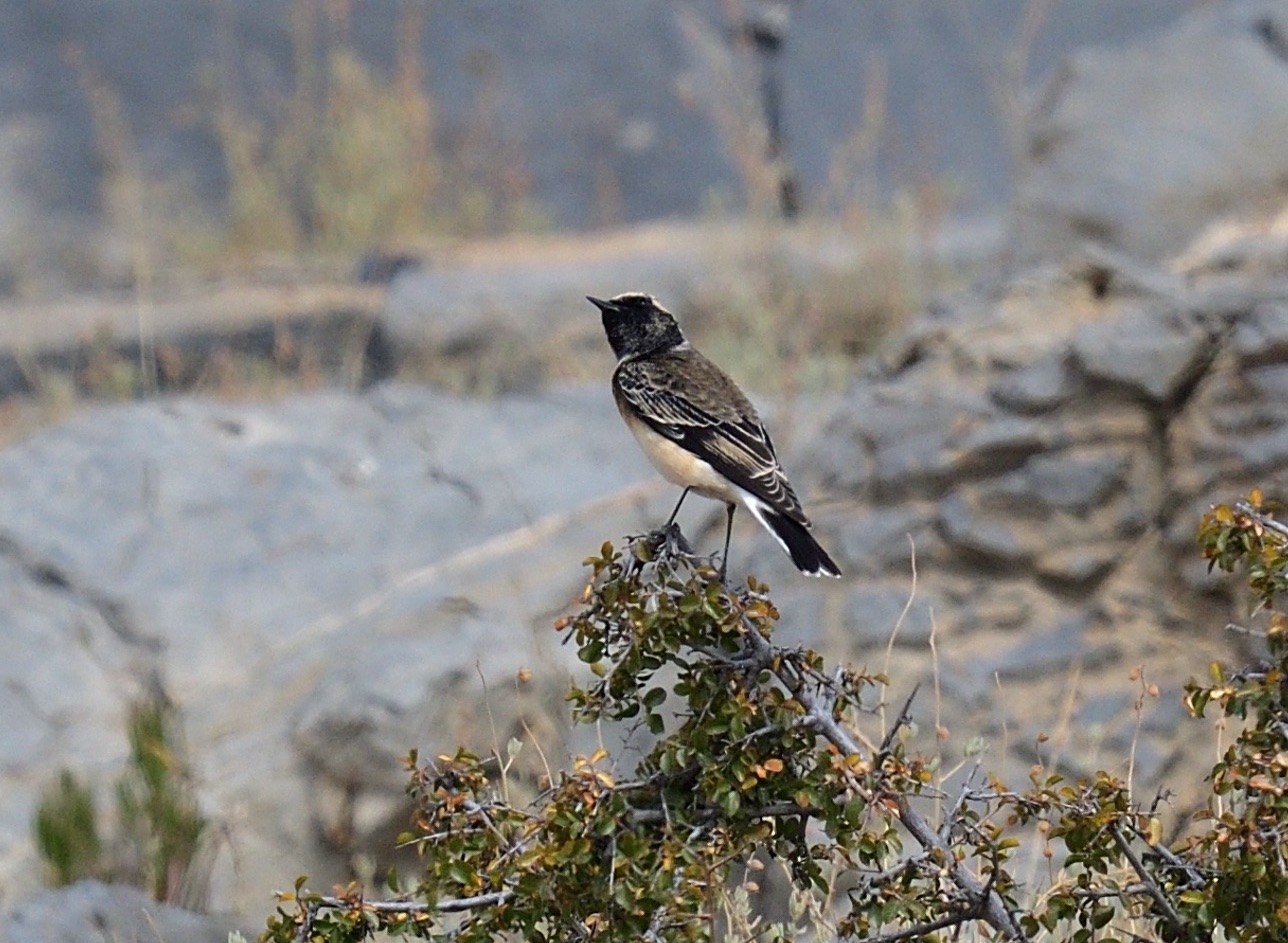
We will start early in the morning and drive to Inderbor town where we will stay the night (about 250km) along Ural River from the west side. There we will make a few stops for birding and also we will take an unpaved road out into the vast steppe. Our first stop should give us some really nice sightings of Pied Wheatear, Sykes's & Eastern Olivaceous Warblers, and more importantly Red-headed Bunting.
We should see plenty of other birds of the Ural marshes and steppes including Black-bellied Sandgrouse, Turkestan Short-toed Lark, Shore (ssp Brandtii), Crested & Calandra Larks, Cetti's, Great Reed & Paddyfield Warblers, and occasionally Booted Warbler along this road. Night in Inderbor.
DAY 3 INDERBOR - DZHANGALA
Another early departure and we will switch to a convoy of 4WD vehicles as we traverse a rough track from Inderbor all the way up to Dzhangala. This is going to be one of the most exciting days of the tour as we head off into some truly remote areas. From here on, White-winged Larks become more numerous, and we may well have already seen our first yesterday evening. But there's more today!
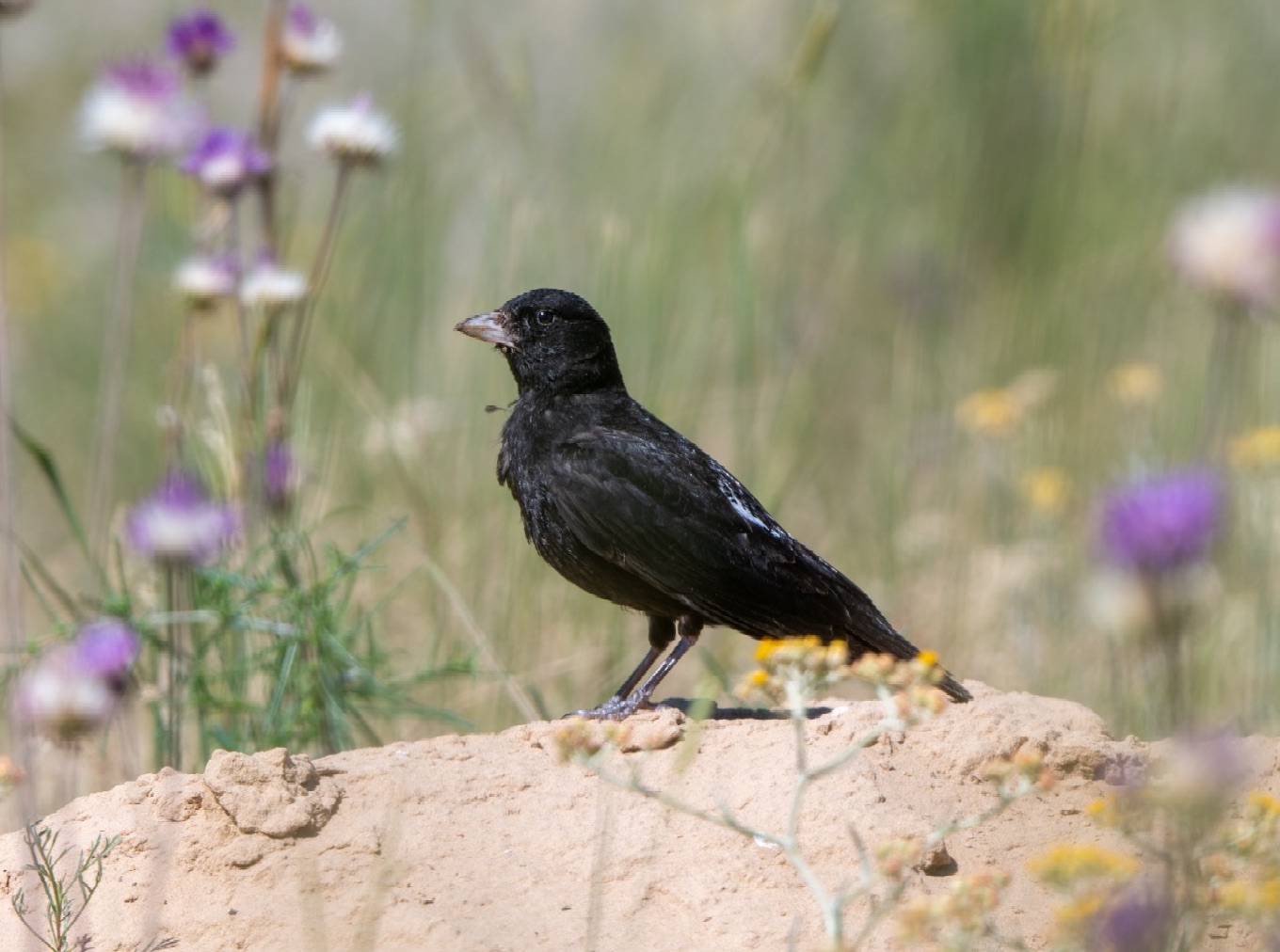
Within a couple of hours drive north we will reach the right habitat of one of the most wanted species of the tour - Black Lark. Usually seen in display flight or passing overhead at speed, they are difficult to pin down and obtain views on the ground. But with perseverance we should get views like we did on the 2026 tour (see photo on right).
Continuing deeper into this vast region we will turn our attention to finding Demoiselle Crane and will be searching for the correct habitat of greener areas of steppe. There's several traditional areas that they breed in, so will try these first but as in 2026 it may well be a case of covering as much ground as possible over these next few days until we find one! So a certain amount of luck is needed, a lot of patience and perseverance and maybe a little local knowledge from our drivers! At the end of the day we will reach our homestay in the village of Dzhangala, run by a delightful Kazakh couple who provide delicious, home-cooked food. Accommodation will be in shared bedrooms with separate bathroom and both indoor and outdoor showers. If time permits, the nearby park could be worth checking for late migrants, breeding Eurasian Hobby, and who knows..? In 2026 we discovered a hybrid shrike with obvious traces of Long-tailed Shrike..! First of 2 nights in Dzhangala.
DAYS 4 DZHANGALA STEPPE & LAKES
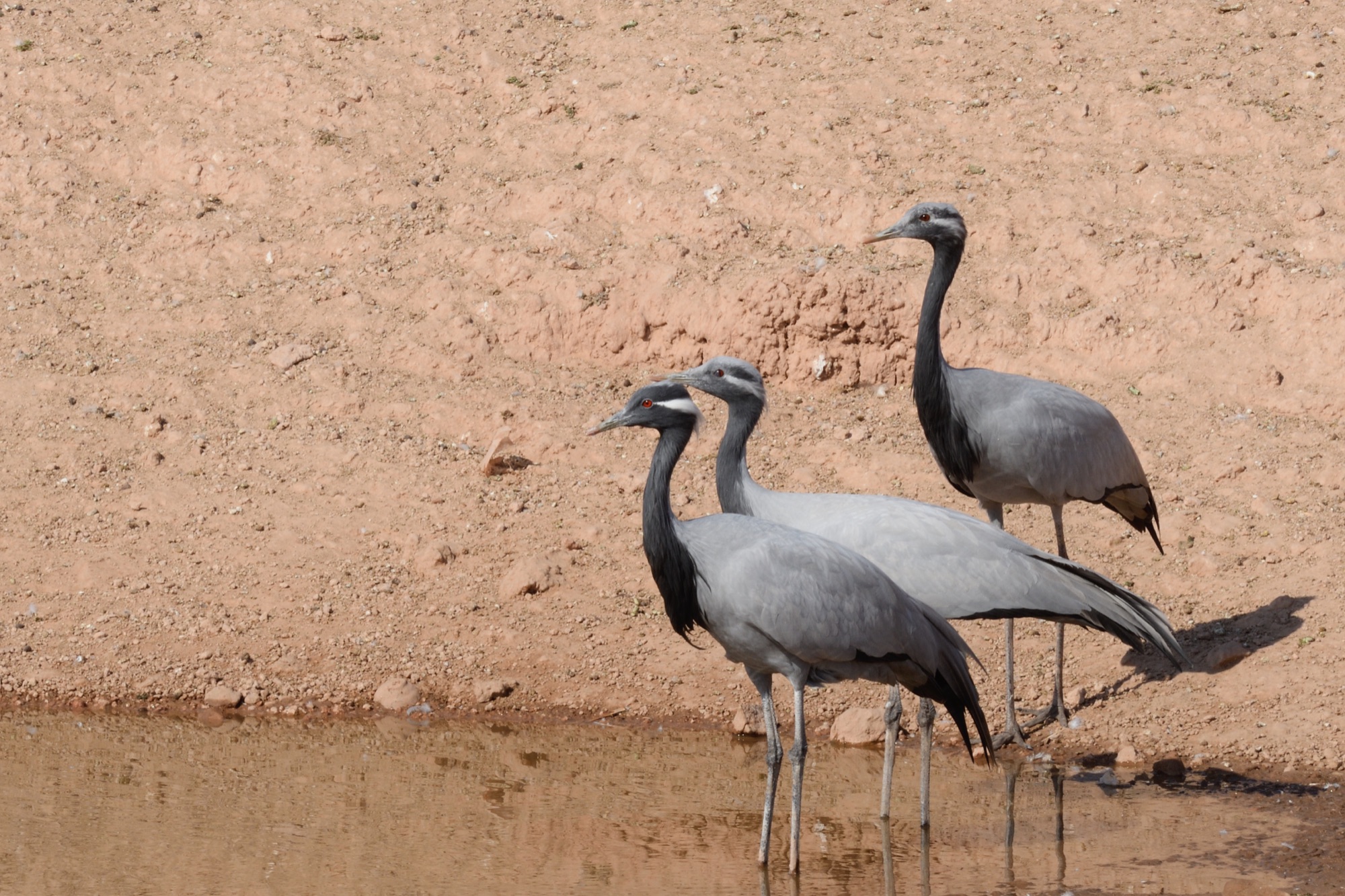
If we didn't find Demoiselle Crane yesterday, then this species will be our main focus. The vast steppe habitat is seemingly endless and our old Russian bus will take us across a maze of tracks as we search in all directions for this most-wanted species. Bear in mind we will be less than 200kms away from a 2026 record of Grey-crowned Goldfinch, so let's stay alert & ready for anything!
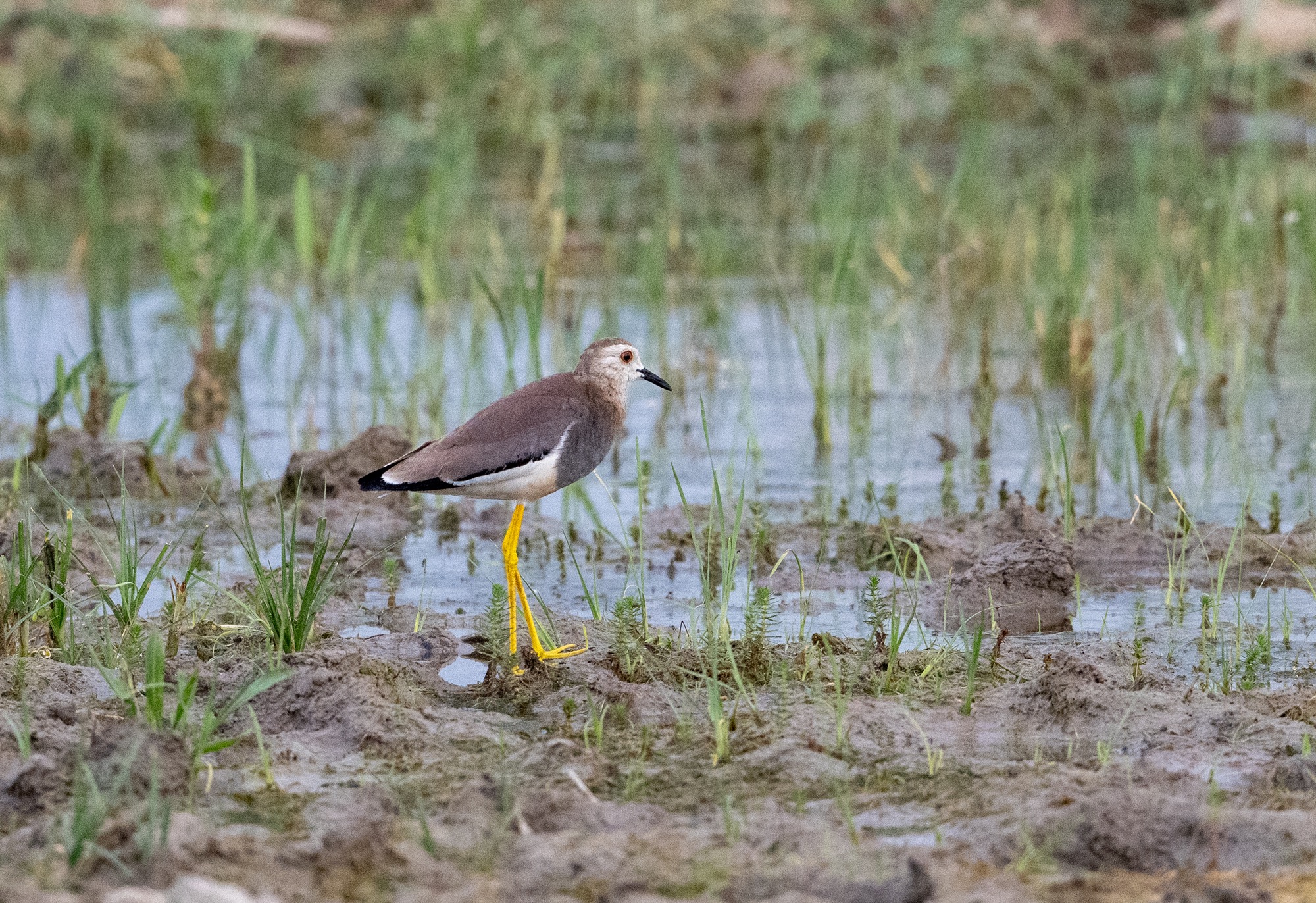
This region is amazing, with some huge wetlands, both saltwater & fresh water lakes, huge reedbeds, marshes, lagoons and narrow watercourses. You always feel in with a shout of finding something unusual, as our last tour did with the finding of 2 Steppe Whimbrels, a subspecies (alboaxillaris) of Eurasian Whimbrel that was declared extinct in 1994. Birding here is truly exciting, with numerous Black-winged Pratincoles breeding here in small colonies, several pairs of White-tailed Lapwings also nest, flocks of Black Terns parade in front of you, Savi's Warblers reel from the huge reedbeds, Little Bitterns call, and stunning Red-footed Falcons fly overhead.
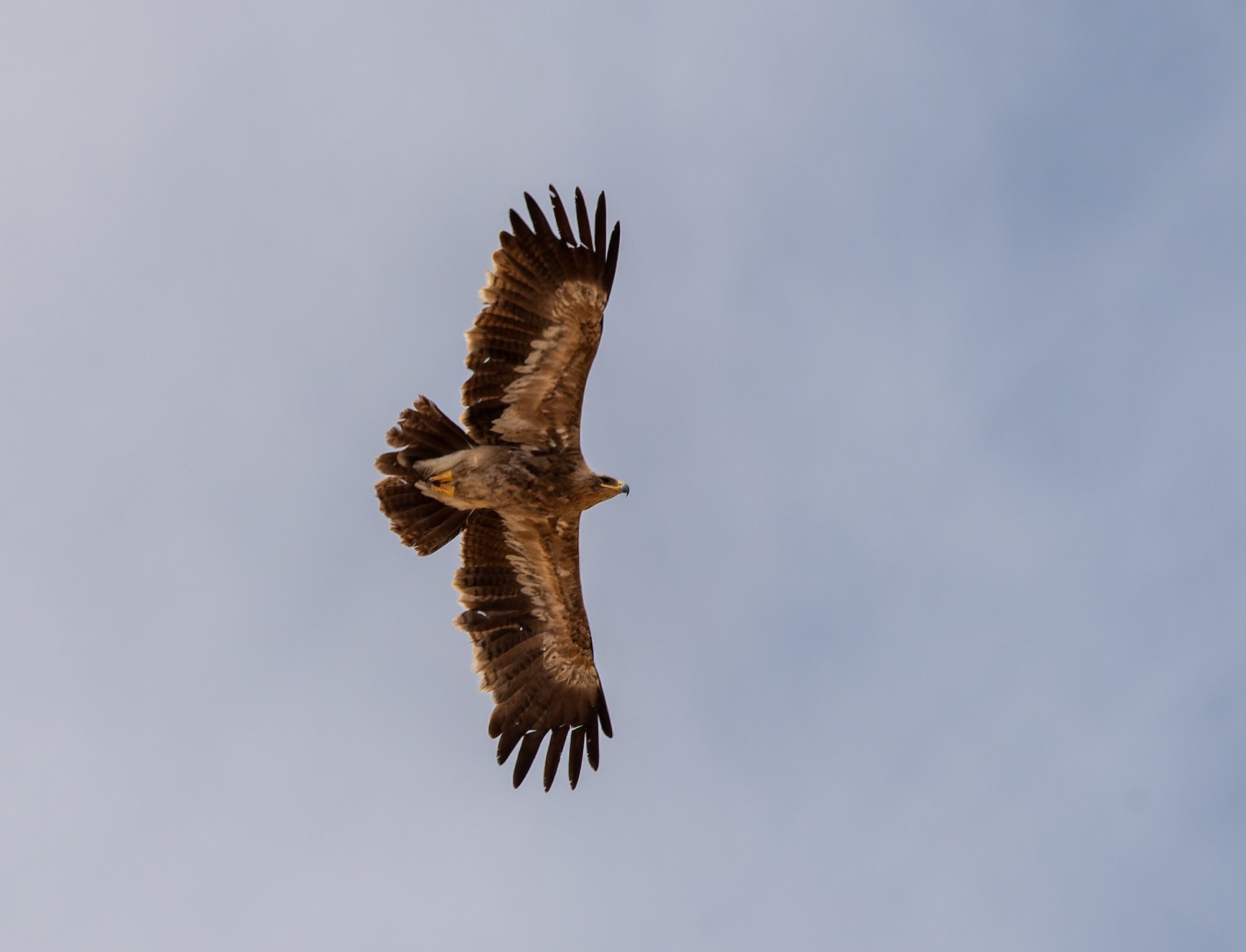
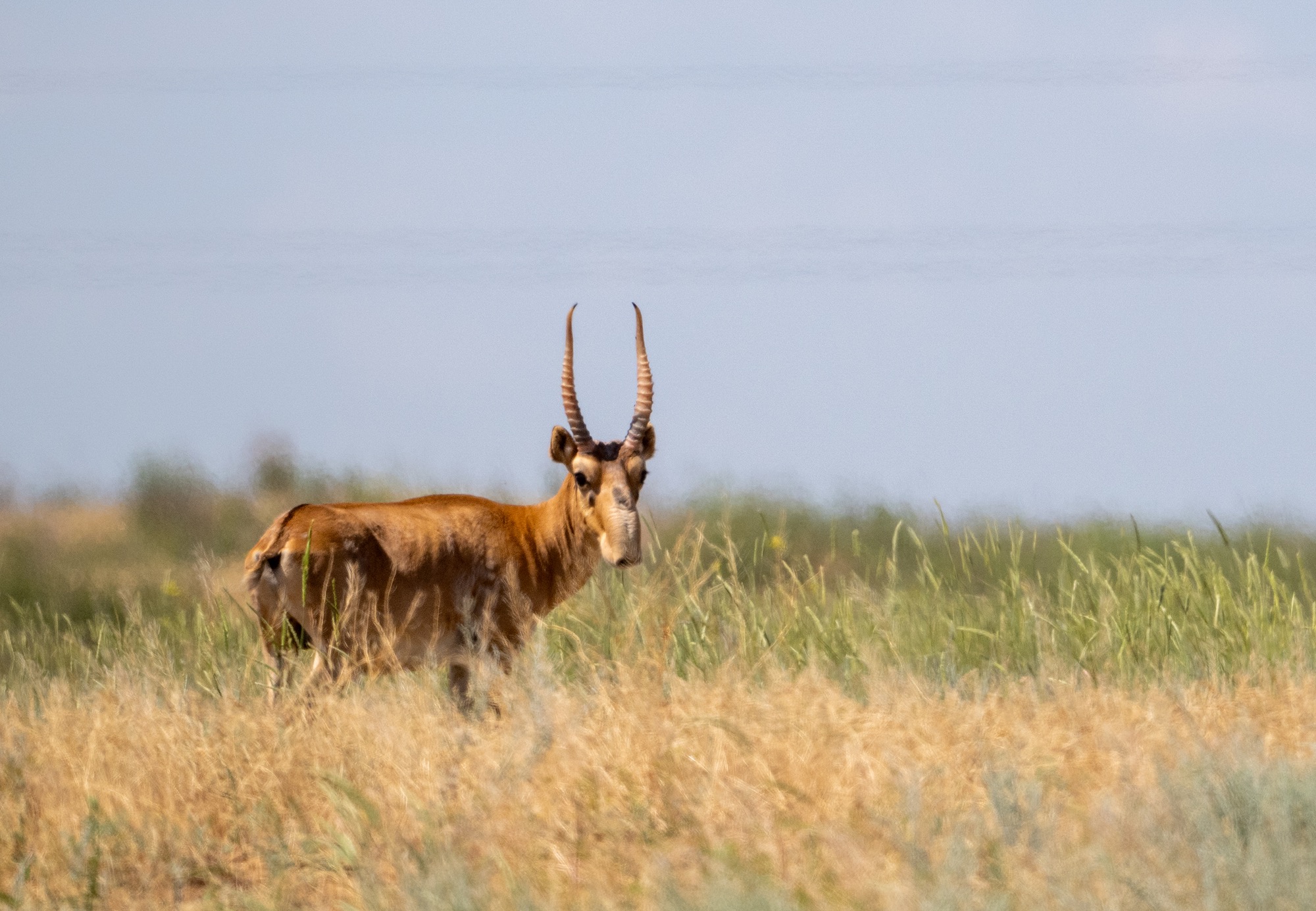
Further exploration amongst the steppe, semi-desert, lakes and marshes could also provide Ruddy Shelduck, Red-crested Pochard, Pygmy Cormorant, Glossy Ibis, Dalmatian Pelicans, Red-necked Phalarope, many gulls including Pallas’s Gull, White-winged Tern, Eurasian Spoonbill, Great Egret, Purple Heron, real wild Mute Swans, and others. For sure we will meet Calandra & White-winged Larks along with numerous Isabelline Wheatears, Lesser Grey Shrikes, more Red-headed Buntings, and there are plenty more good possibilities to see Demoiselle Cranes in a few places. Also, we will be watching for different raptors of the steppes including Black Kite, Long-legged Buzzard and both Steppe & Eastern Imperial Eagles, whilst Little Bustards & Black-bellied Sandgrouse could well be spotted. Also there's a big possibility to see wild Saiga Antelopes during our time in the steppe. Nights at a homestay in Dzhangala.
DAY 5 DZHANGALA - INDERBOR
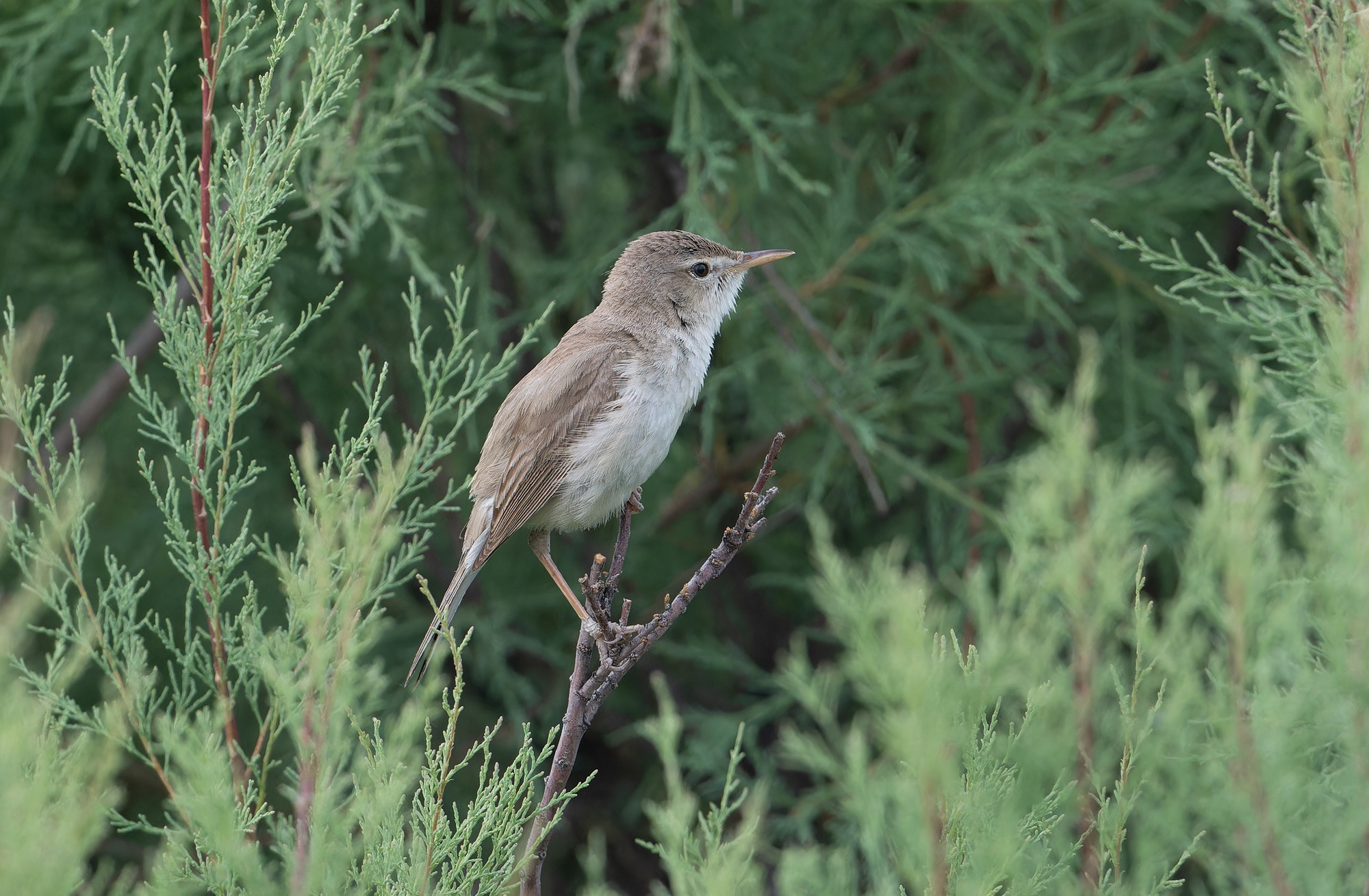
We will have some early morning birding in the local area before making our way back to Inderbor, a drive of some 5 hours through the vast steppe, making numerous stops along the way as we search for any species we still need. We will be passing through an area that has some reasonable size trees, and this provides nesting sites for Steppe & Eastern Imperial Eagles, with their huge nests often very low to the ground. Numerous rookeries provide good nest sites for Red-footed Falcons and we should get some amazing views of this stunning species from the road.
It's going to be a long but fascinating day's birding along this extreme edge of the Western Palearctic. Night in Inderbor again.
DAY 6 INDERBOR - ATYRAU
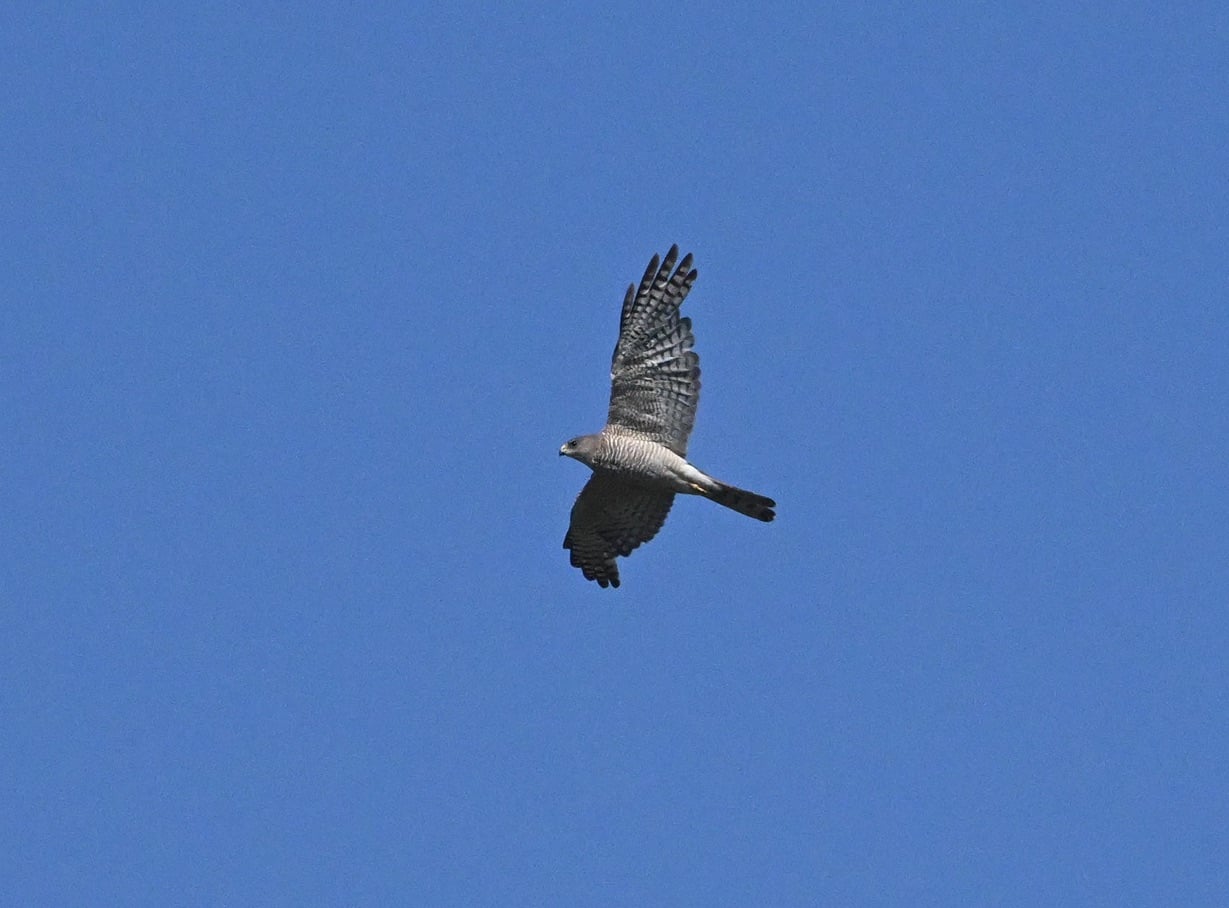
Realistically, this is a spare day and we may well change the itinerary to suit our needs. There's some interesting riverine forest on the west bank of the Ural River, where in June 2026 we found Levant Sparrowhawk nesting. Potential for finding something really unusual is very high.
DAY 7 ATYRAU
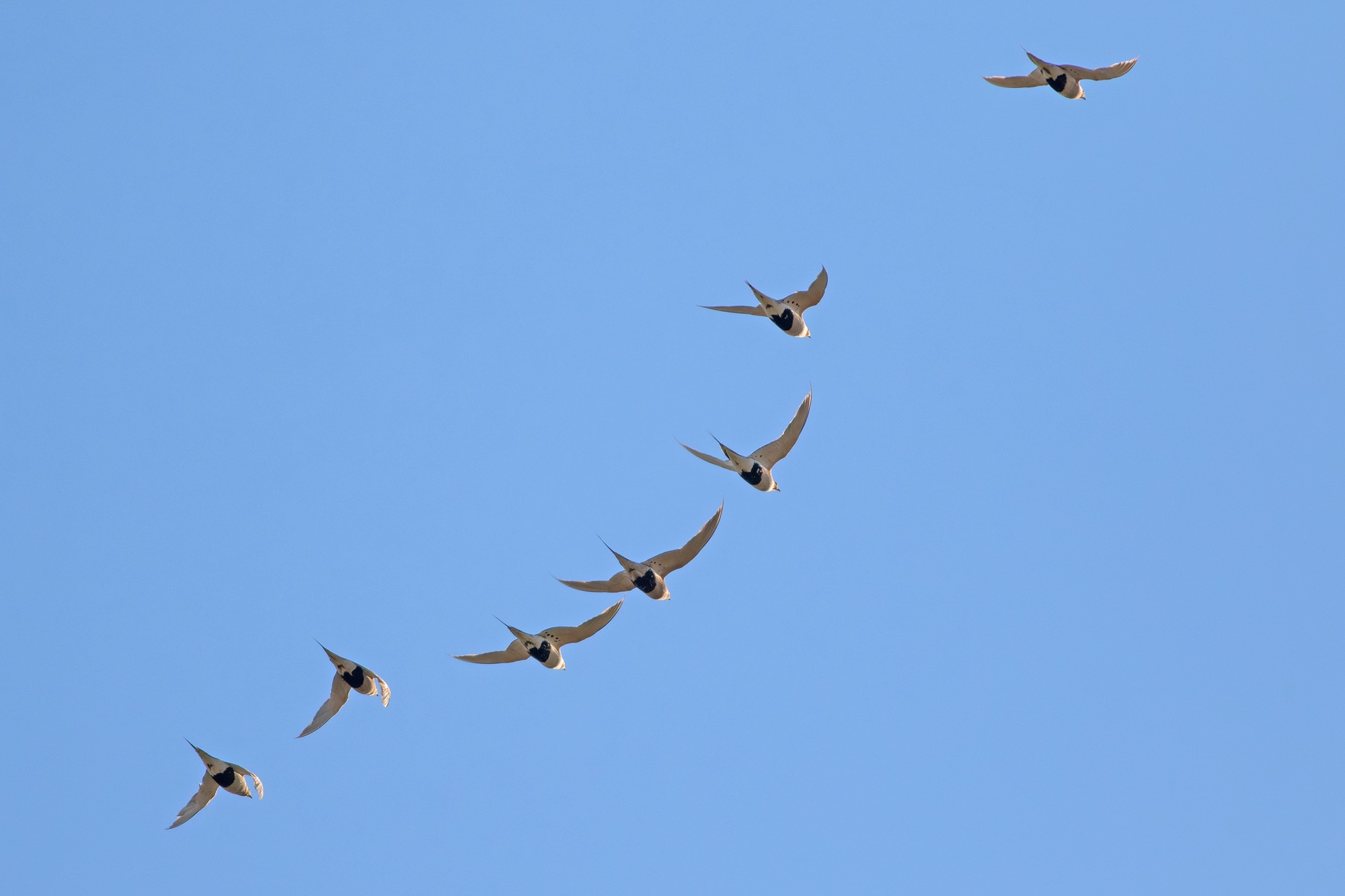
In the morning, we will explore to the west of Atyrau, which will take us across the steppe just inland from the Caspian Sea where some birders have claimed Black-headed Penduline Tit in the past. This is a species not yet admitted onto the official Western Palearctic list. from our experience, the presence of numerous Hybrid Eurasian Penduline ssp caspius x Black-headed Penduline Tits clouds the whole issue and only a full DNA study will help. As crazy as it sounds, a more realistic target is Pallas's Sandgrouse, a species we actually saw on our 2026 tour. It is a longshot, but we will try at a few sites, including a water hole sometimes frequented by Black-bellied Sandgrouse.
Other species present in this area include Dalmatian Pelican, Common Crane, Little Bittern, Western Marsh-Harrier, a variety of shorebirds including Red-necked Phalarope that could be present in large numbers, Terek Sandpiper, Broad-billed Sandpiper, Caspian Gull, Citrine Wagtail, Sykes’s Warbler, Blyth's Reed Warbler, Black-headed Wagtail, Desert Wheatear, Bluethroat, Rose-coloured Starling, Common Rosefinch, Red-headed Bunting and others. This evening, we will have a farewell dinner before our departures tomorrow.
DAY 8 END OF TOUR
Early morning transfer to Atyrau Airport and the conclusion of another superb Western Palearctic tour.