EGYPT: NILE VALLEY TOUR REPORT 2026
Egypt is one of must-visit destinations when chasing a Western Palearctic list as it has a superb selection of species only found in this amazing country. Our Nile Valley tour visits several sites around Cairo for Greater Painted Snipe, Chestnut-bellied Sandgrouse, Senegal Coucal & potentially Streaked Weaver amongst others, Aswan for Nile Valley Sunbird and Abu Simbel for Reed Cormorant, Yellow-billed Stork, Kittlitz's Plover, Plain Martin, African Pied Wagtail, Village Weaver & Crimson-rumped Waxbill. On top of that you also have Senegal Thick-knee, African Green Bee-eater, Indian Silverbill and Red Avadavat that are all more widespread across the country. As you'll see from the trip report, things don't always appear where you expect them to or you simply just can't find one of the easiest targets......
DAYS 1 - 2: ASWAN
Our group had flown the previous day from Manchester, London & Copenhagen to Cairo and with a short onward connection to Aswan. This resulted in a very late arrival at our riverside lodge or should I say a very early morning arrival..!! All of our flights were delayed into Cairo and fortunately the Aswan flight was also delayed, but our superb guide Ismael from Aswan Birdwatching was at the airport to meet us and we drove about half an hour into downtown Aswan before getting on the ferry across the Nile to our guesthouse on the west bank. I finally made it to bed at 4am….. just as the call to prayer started. Oh lordy!
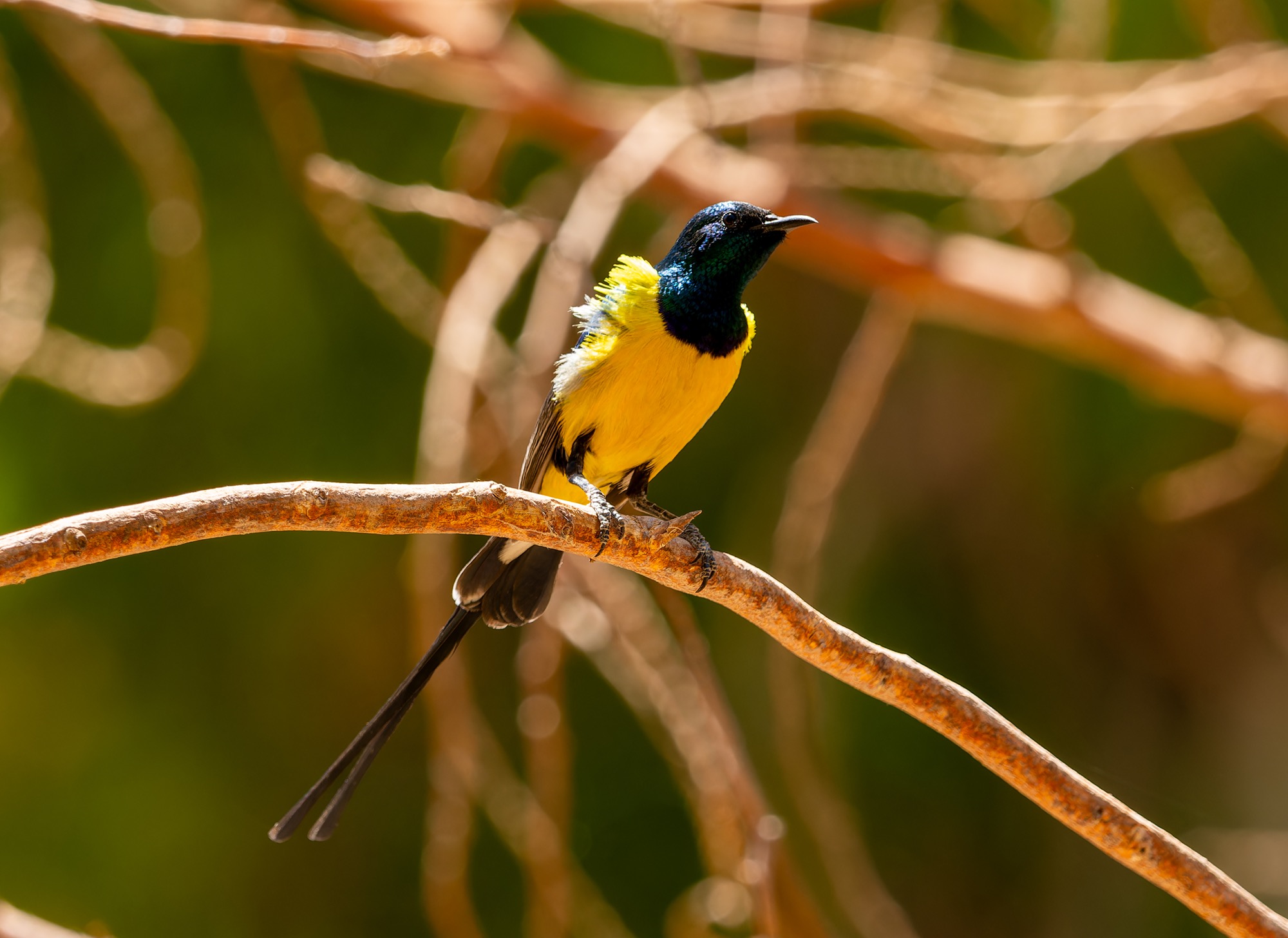
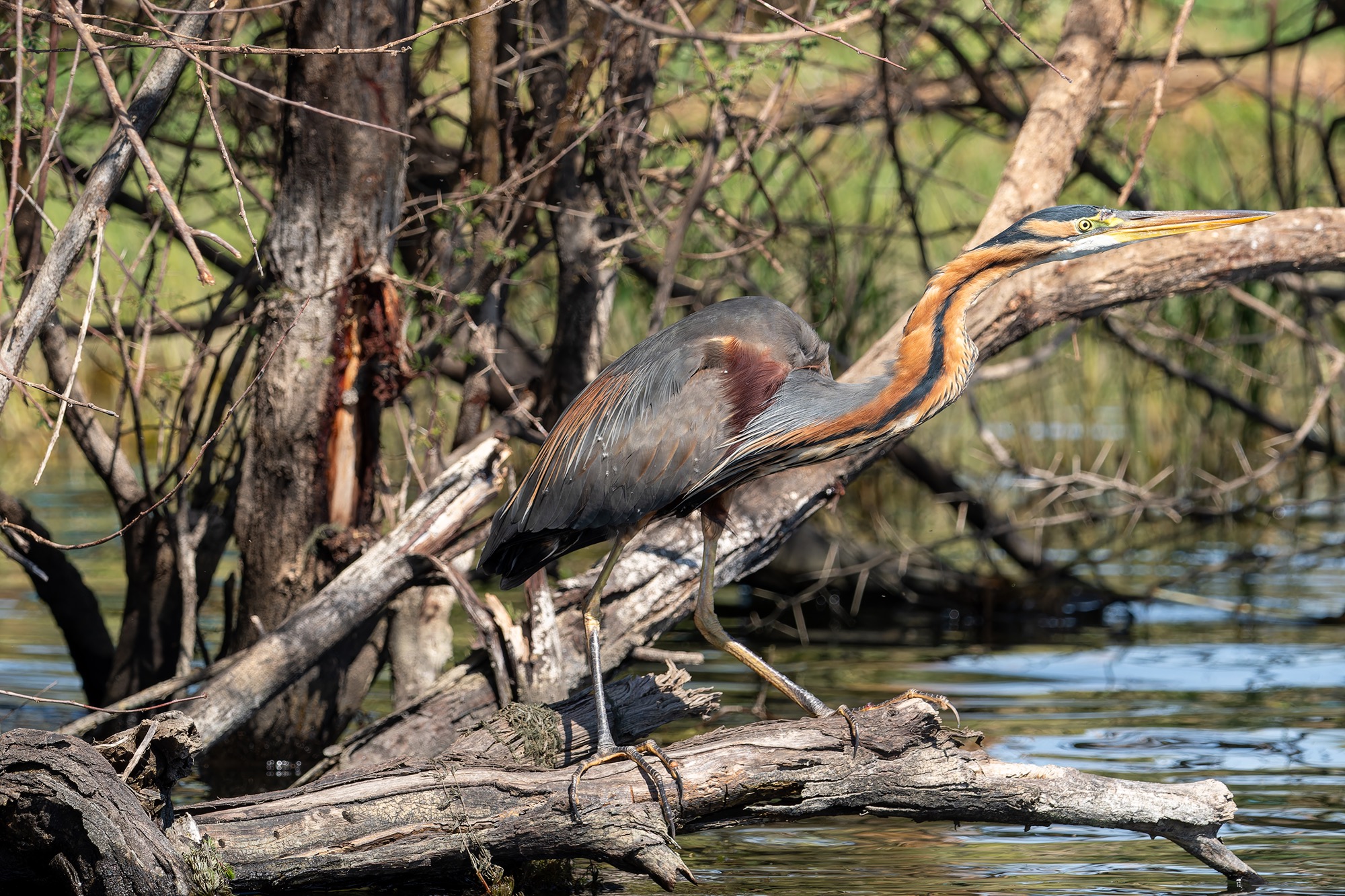
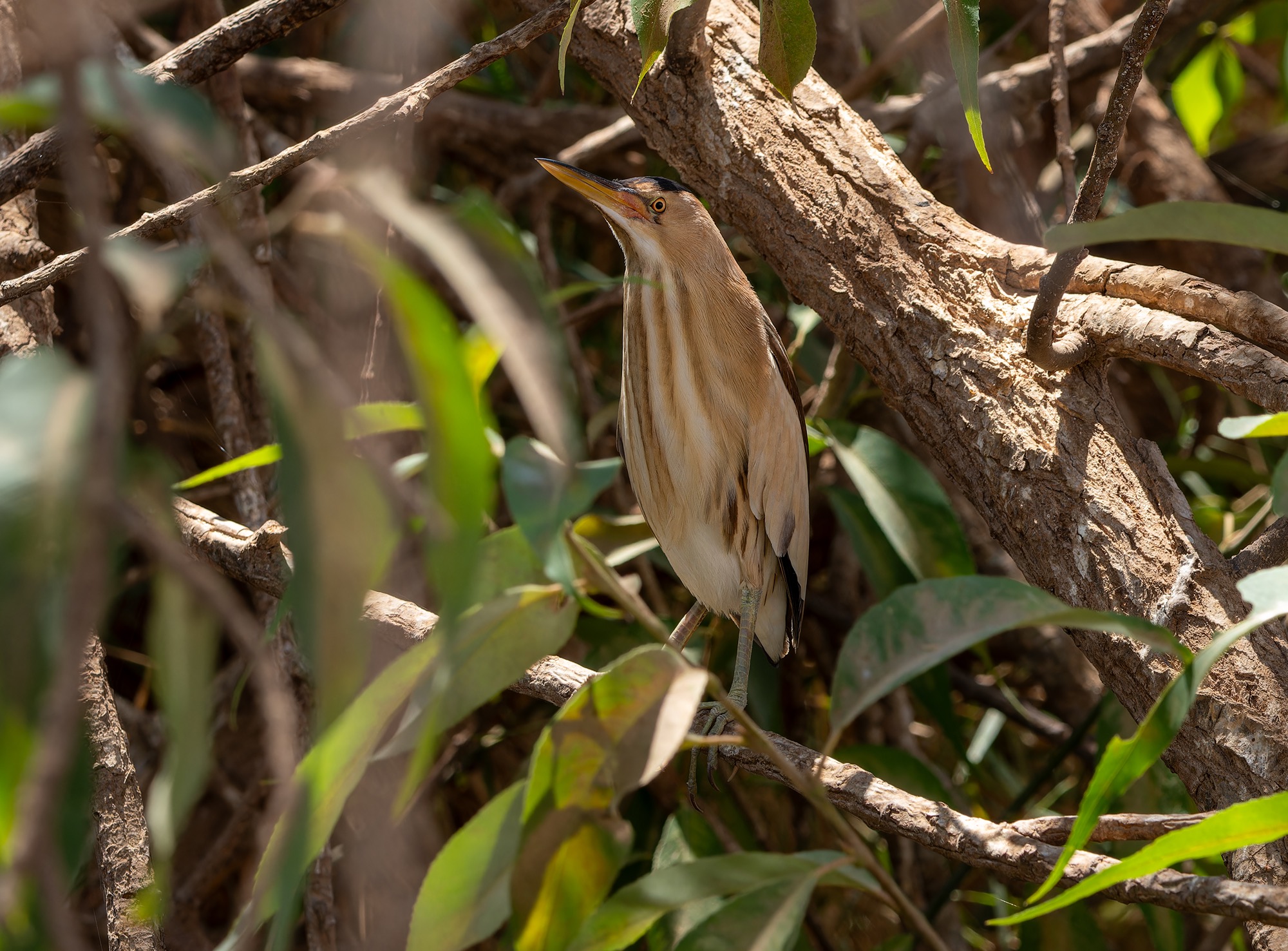
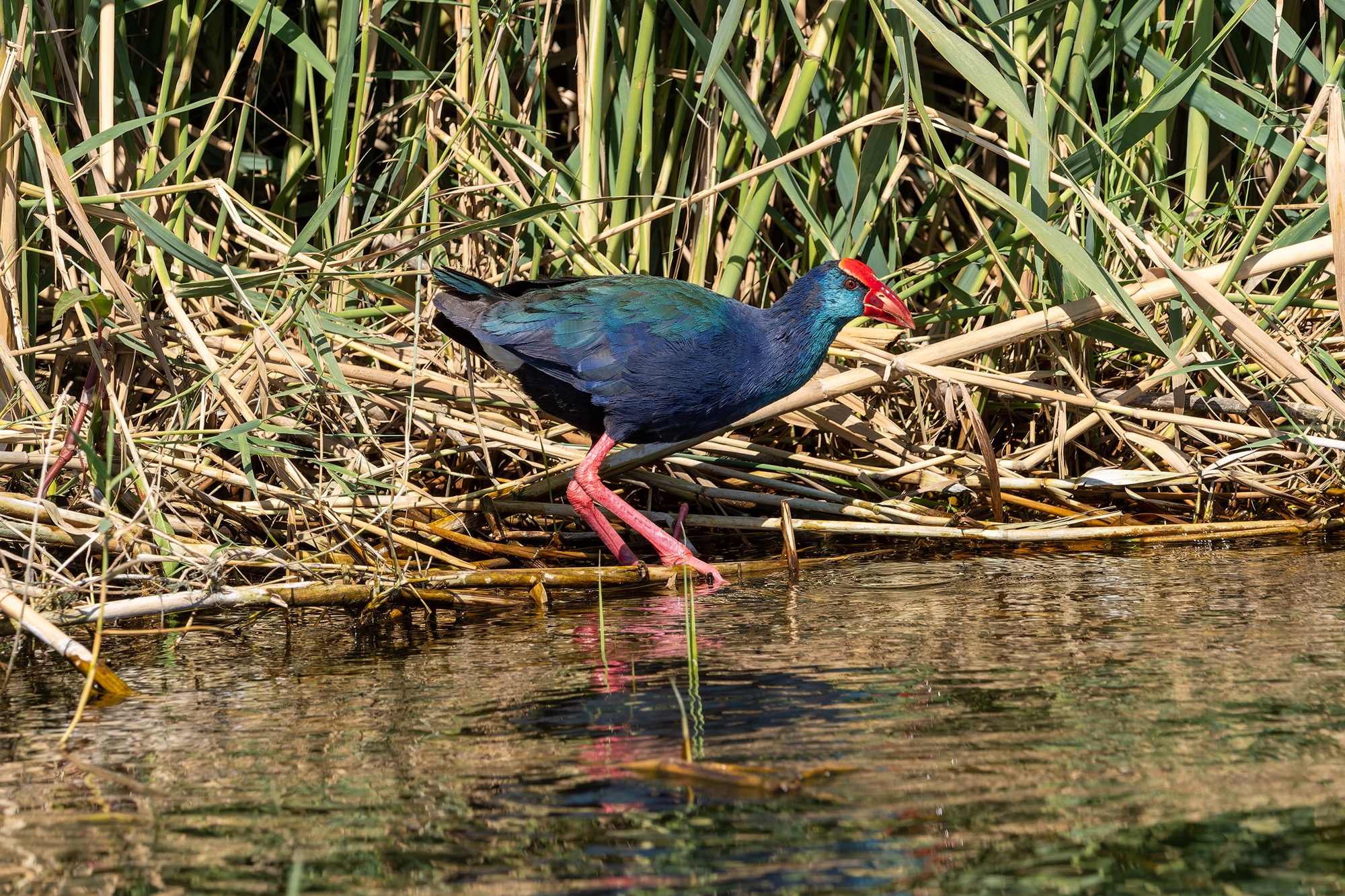
Breakfast at 7.30am during which we saw a few goodies including our first Nile Valley Sunbirds feeding on flowers in the scrubland adjacent to the lodge. We spent the entire day first day on a boat cruising along the Nile River notching up some rare Western Palearctic species. It was an impressive list with more sunbirds, many Western Swamphens (formerly African Swamphen), Senegal Thick-knees, African Green Bee-eaters, and many Pale Crag Martins. The numbers of Purple Herons, Gull-billed & Whiskered Terns, various hirundines and Blue-cheeked Bee-eaters passing overhead was truly phenomenal, as was the huge lunch! We looked for the wintering Black Scrub Robin without any luck and enjoyed much the same species on the return journey upriver to our guest house. I have to say the views of 40+ Purple Herons and a few Little Bitterns today was exceptional.
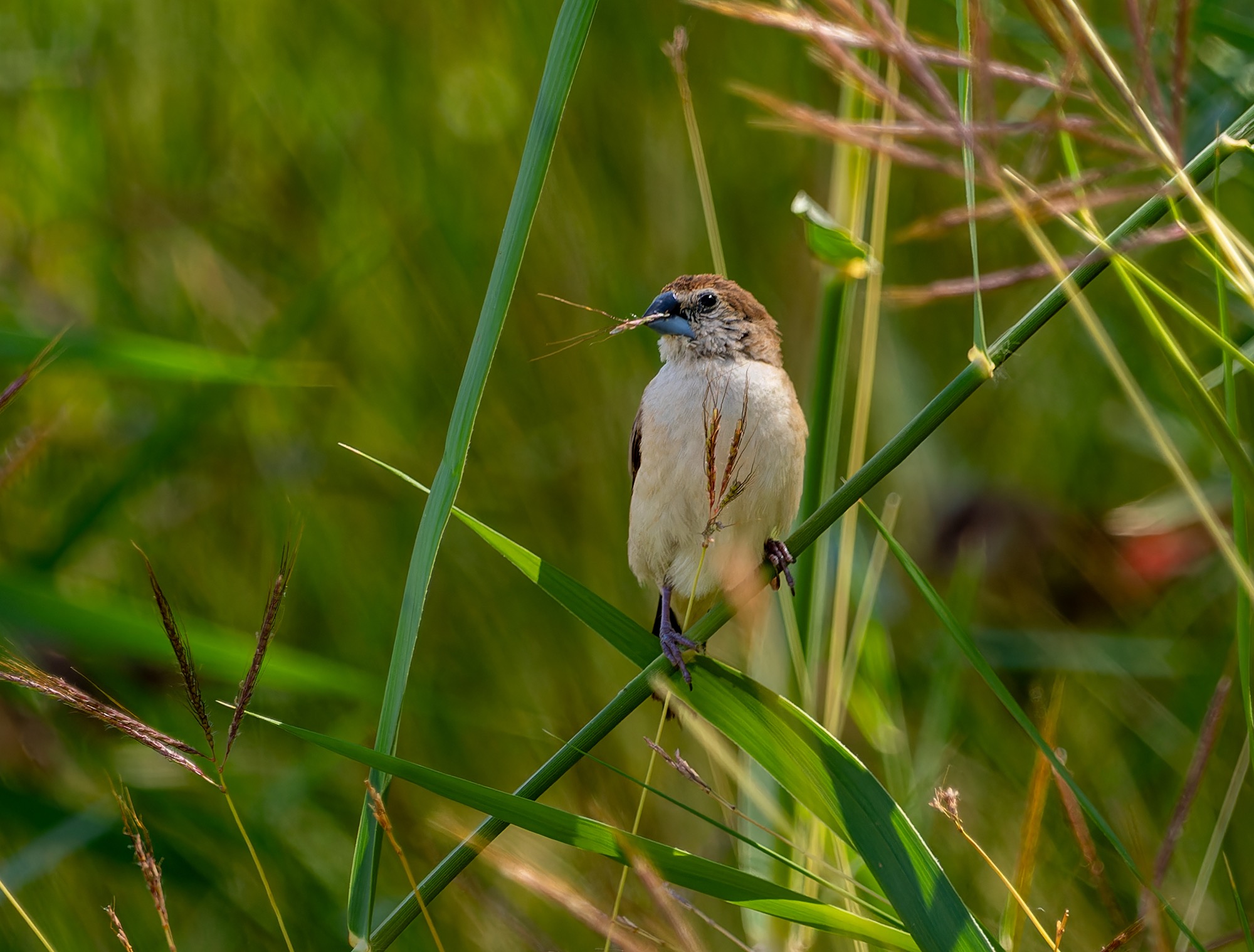
Our plan for the following day was to leave the hotel with a boxed breakfast at 7.00am, take the boat across the Nile to our waiting minibus and head over to Philae Lake for another boating session. We’d ordered coffees for 6.45am and whilst waiting a pair of Reed Cormorants flew upriver and dropped onto the river and began fishing a couple of hundred metres away from us. What a result and certainly not a species we expected to see around Aswan and little did we know that this would be our only sighting of this species for the entire tour. This is a major WP target for birders and they are usually found around Abu Simbel, way to the south. A few Indian Silverbills were also showing well in the small cultivated patch right next to the hotel as well – so a very good start to the day.
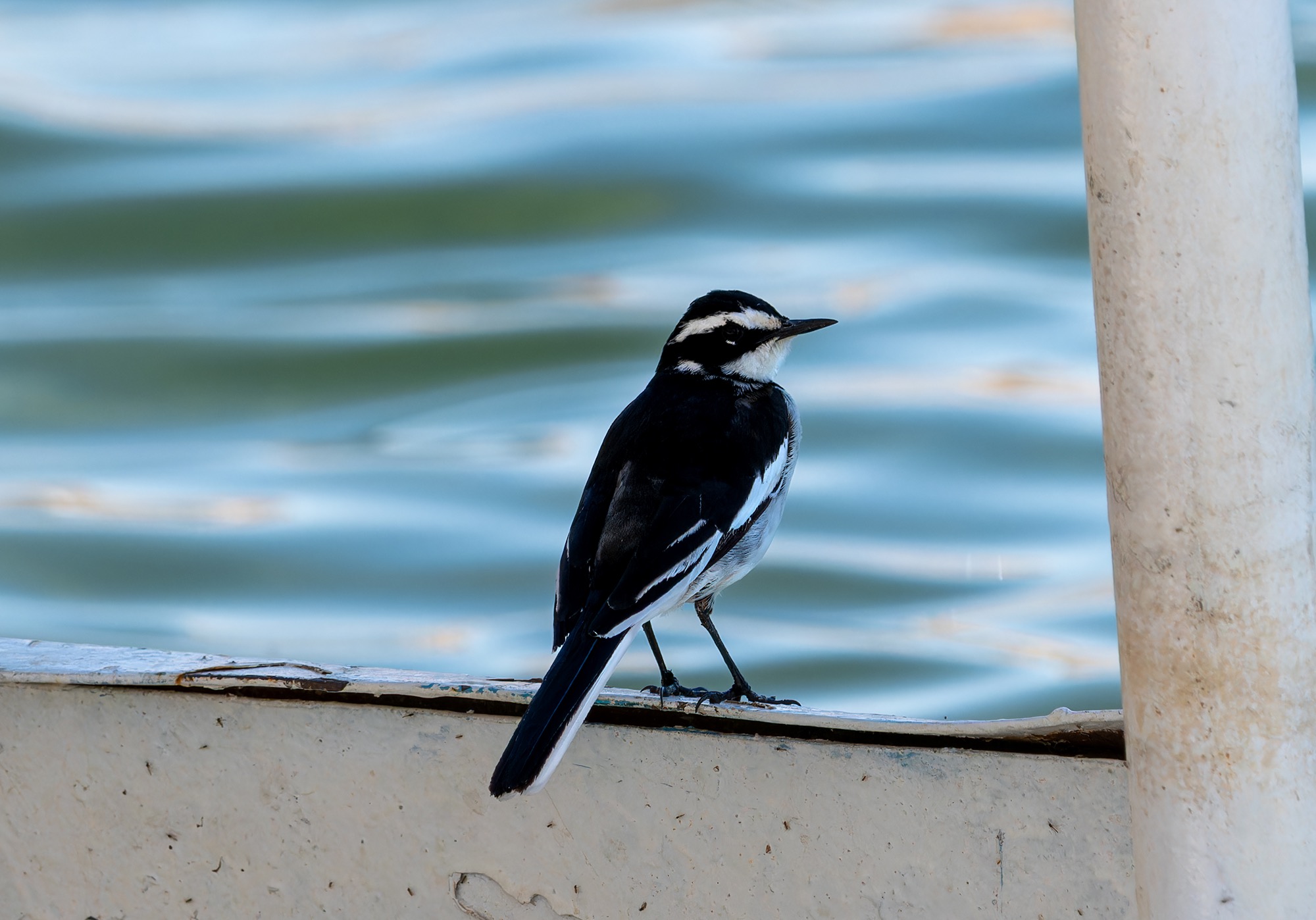
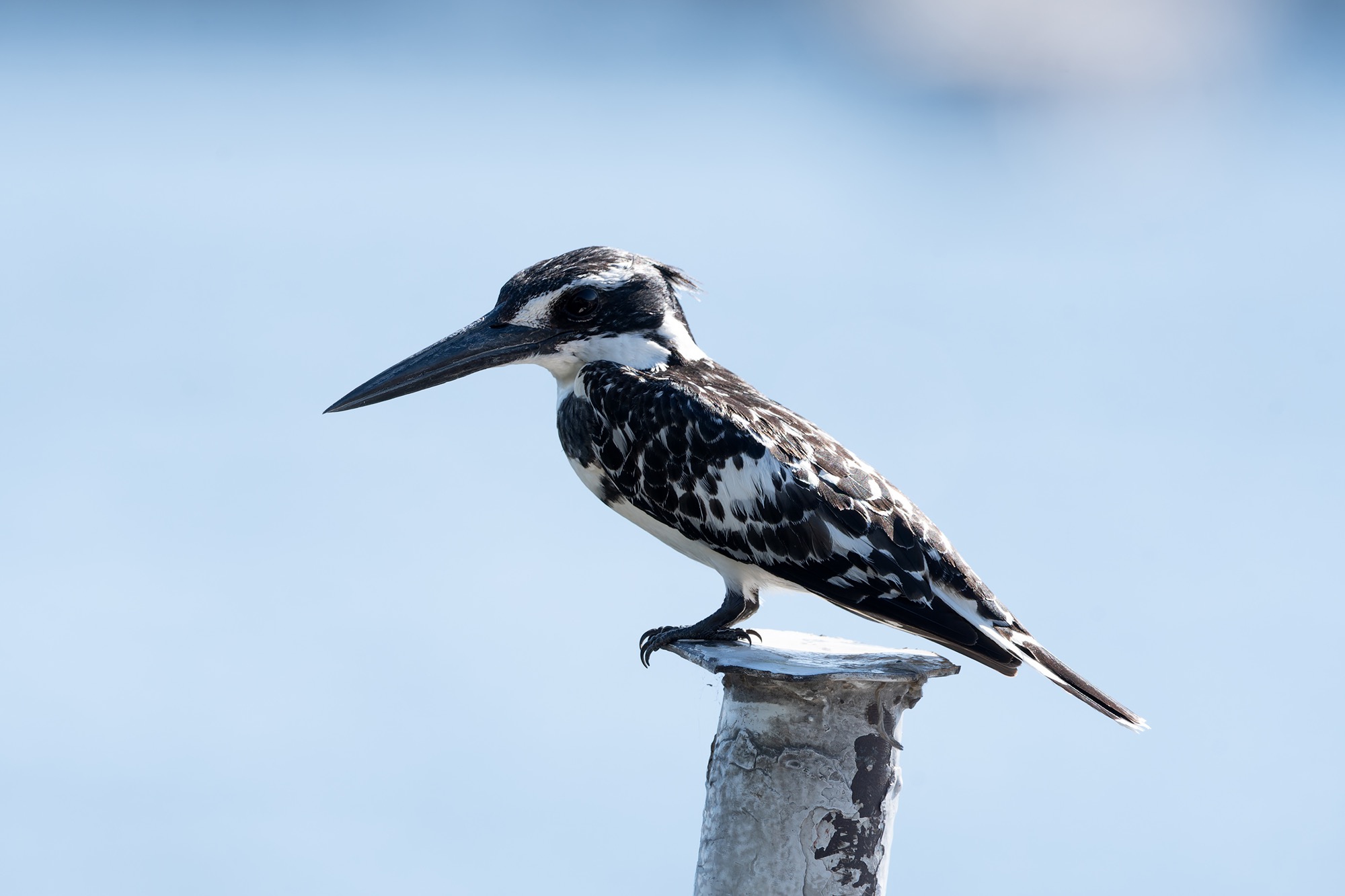
Once we made it across to the east bank and met up with Ismael we drove towards Philae Lake, checking out a few smaller patched of water along the way, but only a single White-crowned Wheatear was noteworthy. Once aboard our boat we headed out on what was for all intents and purposes a relatively quiet 3 hour boat trip. Birds were few and far between, save for numerous Whiskered & Gull-billed Terns, Black & Yellow-billed Kites, and all the usual herons & egrets. However, we managed to find a pair of African Pied Wagtails hanging around the shoreline thanks to some sharp spotting from Ian. In fact, as we turned our boat around to get better views the wagtails flew onto one of the marooned boat wrecks and one of them started to sing as we watched from a few metres away. Wow! So two mega Western Palearctic species so far this morning!
Next up was a trip to Philae Temple and a short guided tour for my group, whilst I sipped a cappuccino in the café. I am culturally shallow. Always have and always will be!!! Another huge lunch followed at a lakeside restaurant and then we spent another couple of hours boating on the lake seeing not a lot. So an early finish was agreed and once back in the minibus we called in to a wine shop in downtown Aswan I’d found last year, to pick up some beers. We returned to our guesthouse/hotel around 5pm and met up with the last member of our group, Eric Jan Ablas from The Netherlands.
DAYS 3 - 5: ABU SIMBEL
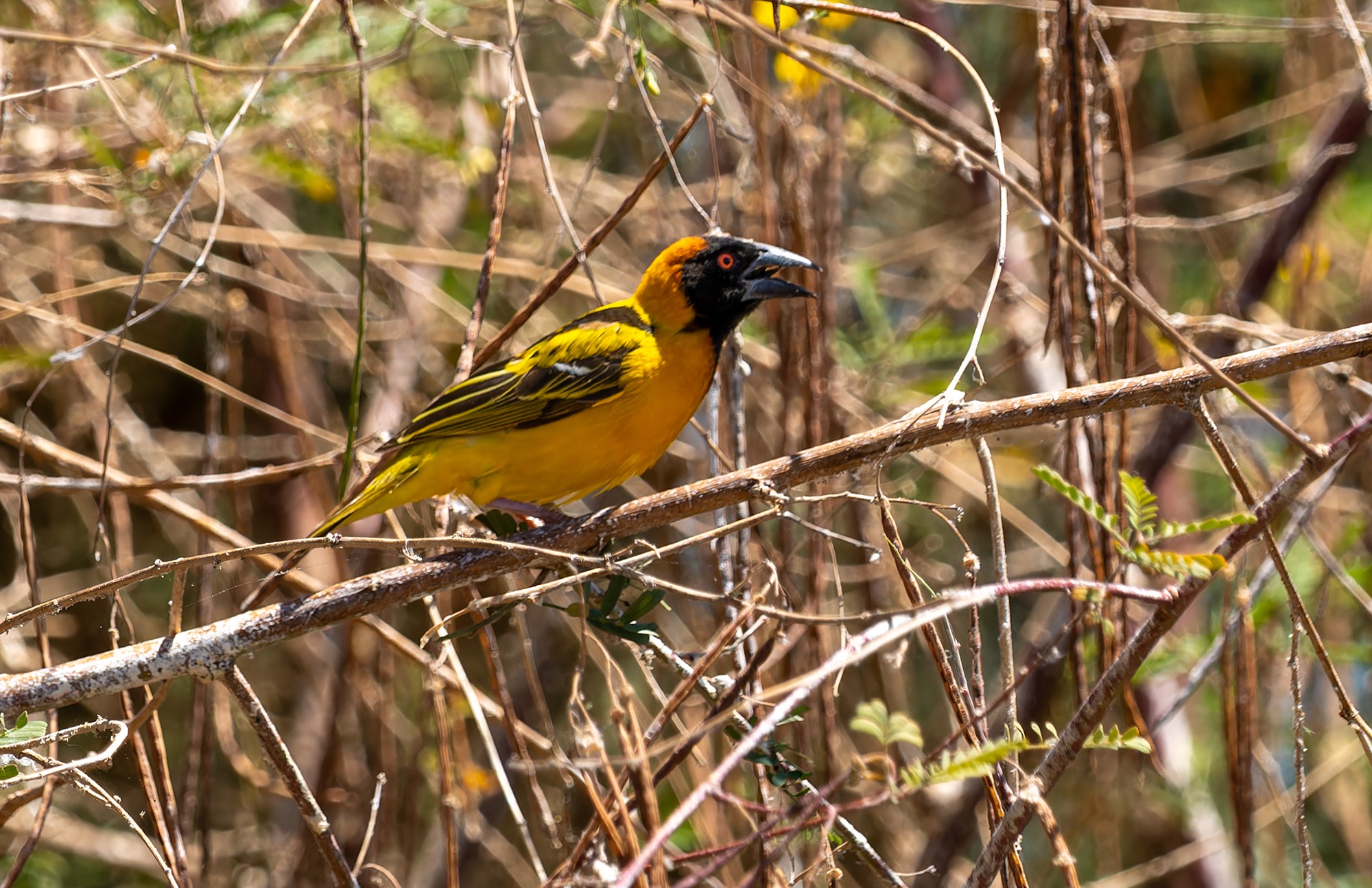
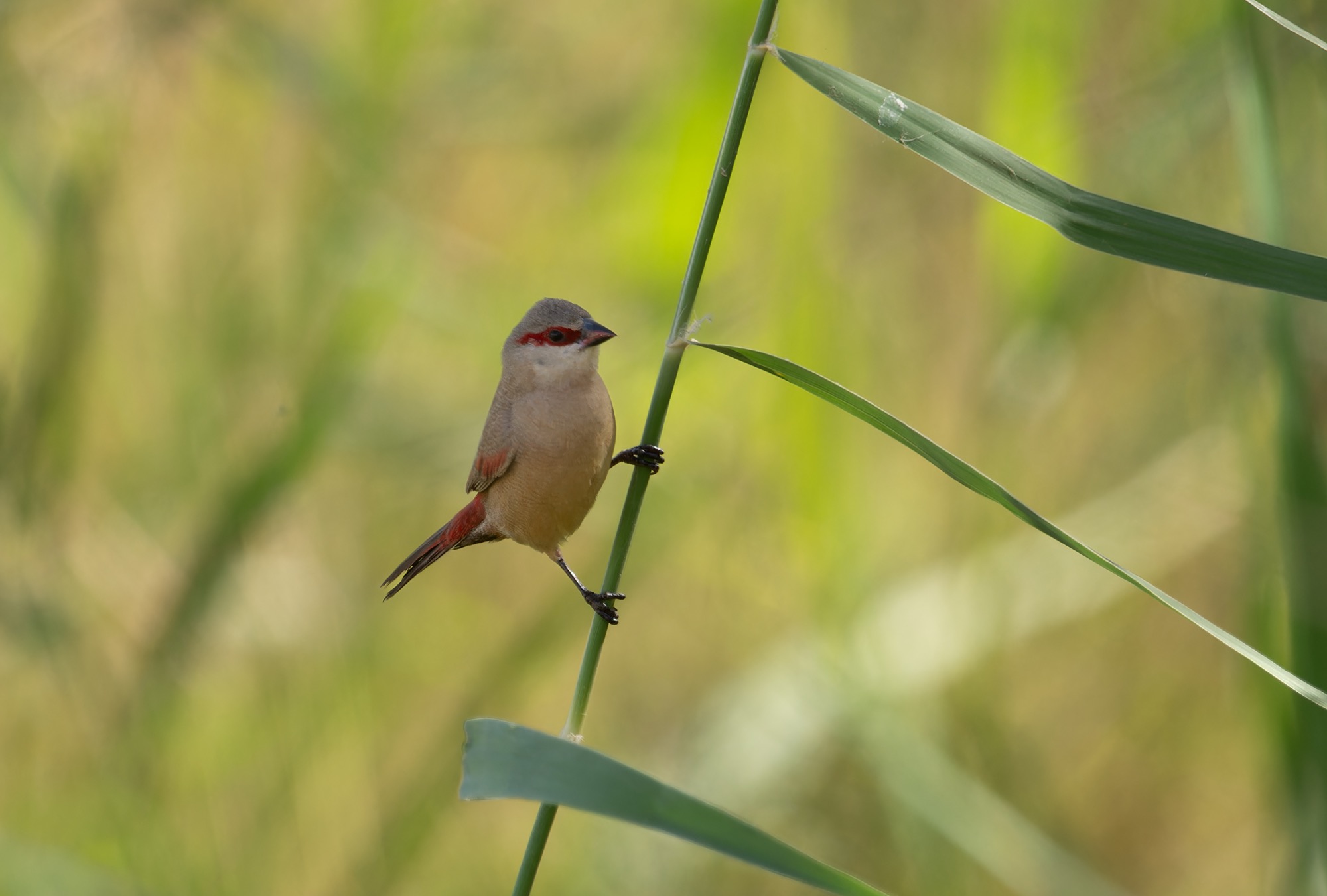
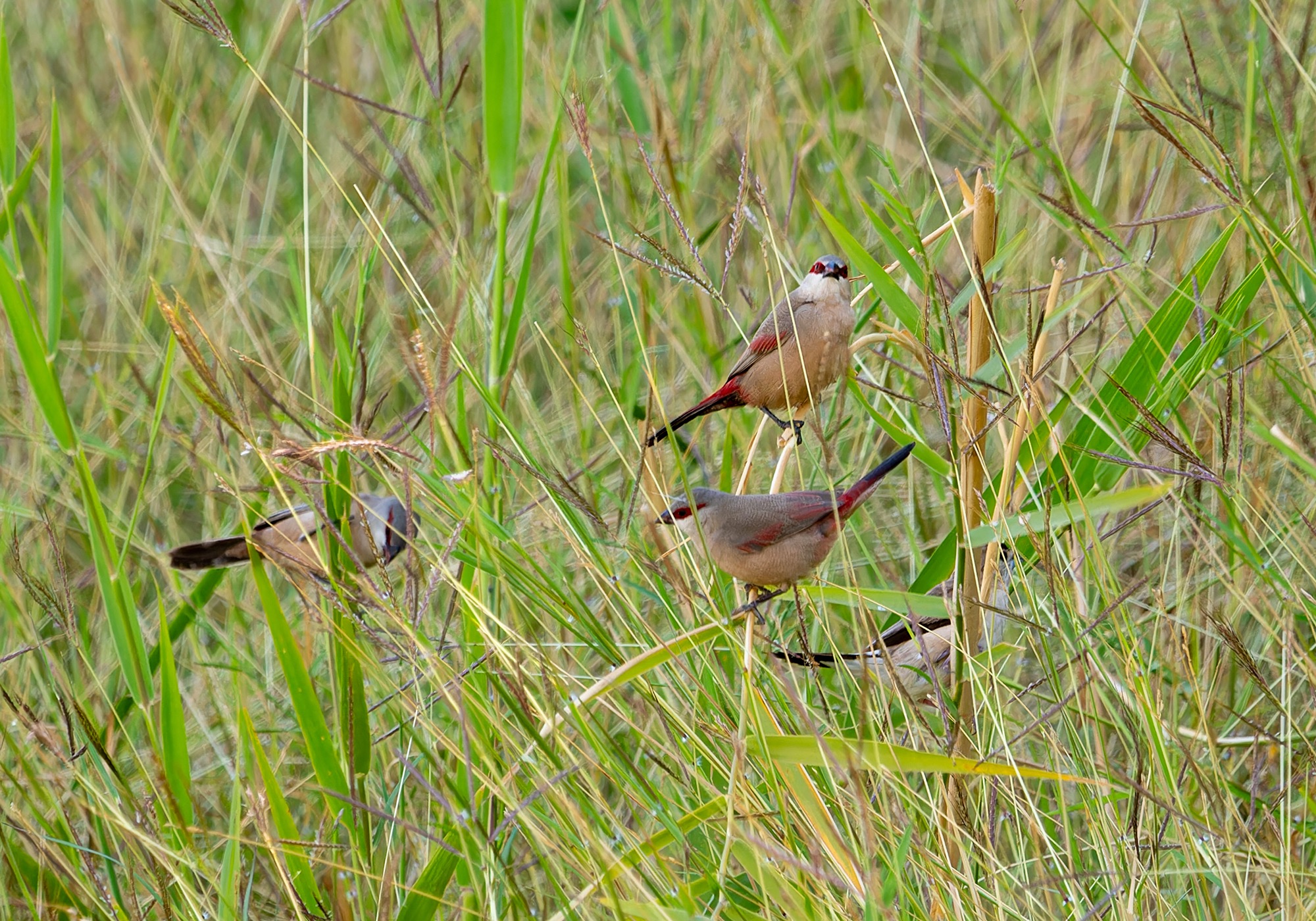
We left early doors and drove just over 3 hours south to Abu Simbel, which in my opinion is one of the most exciting destinations in the Western Palearctic. By 10am we were searching a lakeside area not too far from the town in the hope of finding a very recent colonist to the area - Crimson-rumped Waxbill. Boy it was hot but that didn't deter us as this is a key species and one we needed to find. The first spot was quiet apart from a few Indian Silverbills, so we walked on to a spot right on the shores of Lake Nasser which had large and very tall roadbeds all around. Not so surprisingly we found another African Pied Wagtail sitting in the side of a fishing boat, and as we watched this a Crimson-rumped Waxbill appeared briefly in a dense area of scrub and reeds. Unfortunately it didn't linger long enough for everyone to get on it, but we needn't have worried as just around the corner we found a small group of waxbills coming to drink at the base of the reeds. Then at least 5 birds decided to perch in the reeds and began to preen, allowing everyone to see them very clearly and for about 20 minutes. Wow! What a fantastic result and high-fives all round. This proved to be a particularly good area with numerous Blue-cheeked Bee-eaters flying around, a Little Bittern seen in flight, several African Green Bee-eaters, many Clamorous Reed Warblers and Eastern Olivaceous Warblers all providing an interesting distraction.
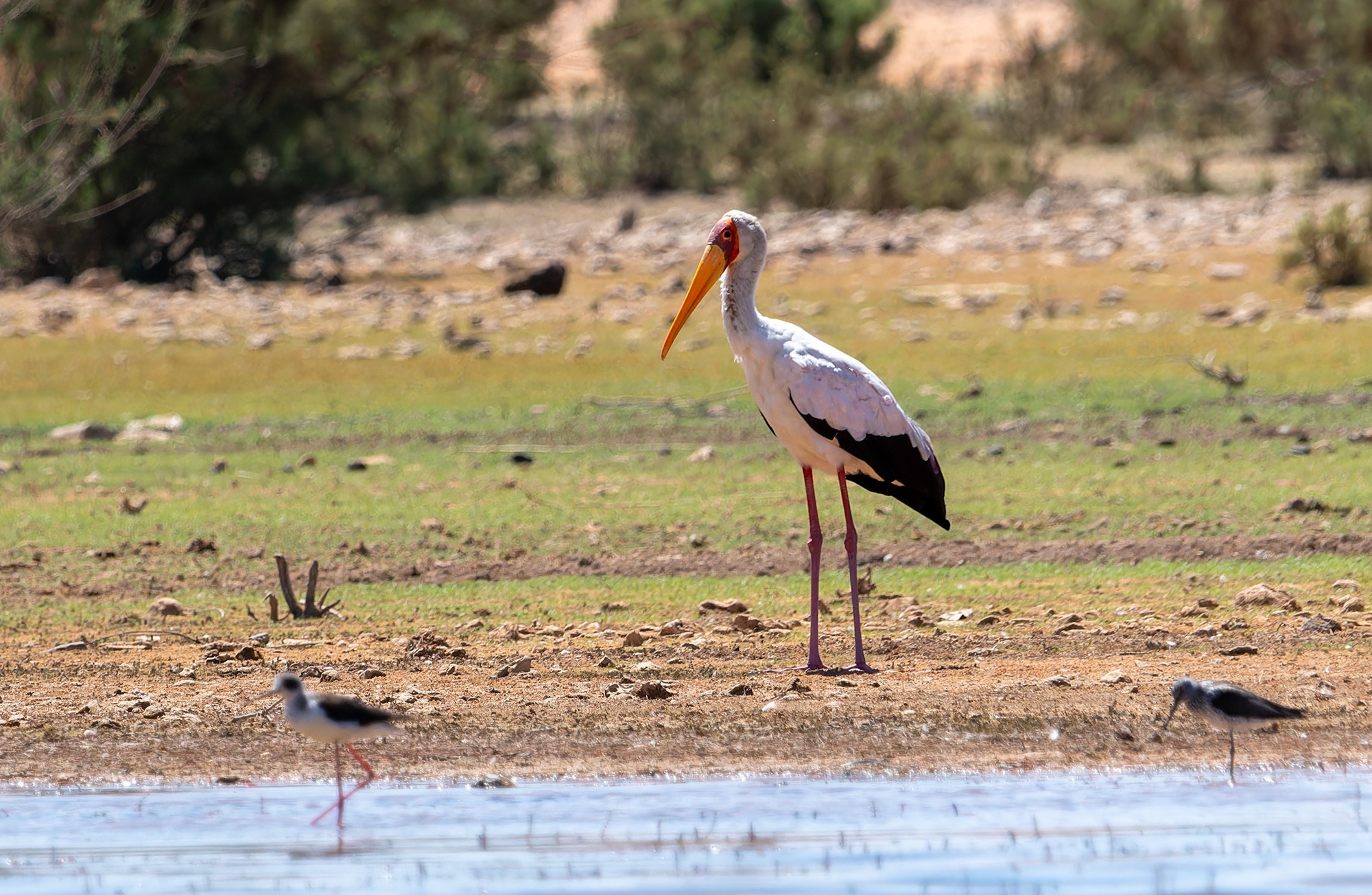
After checking in to a superb hotel, we had a short siesta before venturing out to explore the shoreline of this vast lake. Our primary targets fell quite quickly, with close views of 10+ Kittlitz's Plovers and 6 stunning Yellow-billed Storks. With both targets nailed we enjoyed a fine selection of other species and what a great area this was, with Egyptian Goose, Senegal Thick-knee, Marsh Sandpiper, Little, Gull-billed & White-winged Terns, Glossy Ibis, many European Bee-eaters, Masked Shrike, Brown-necked Raven, Greater Hoopoe-Lark and 2 African Pied Wagtails.
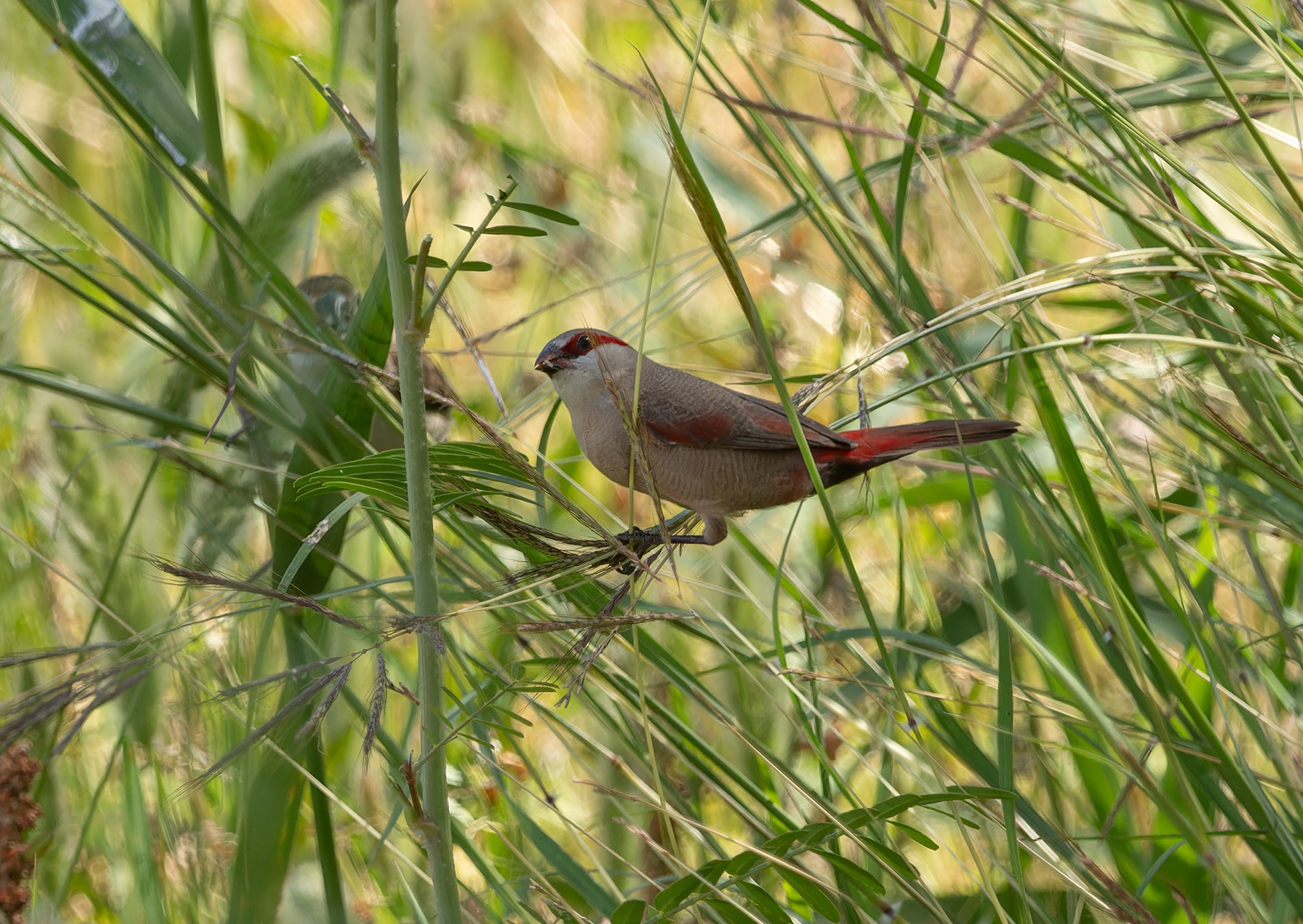
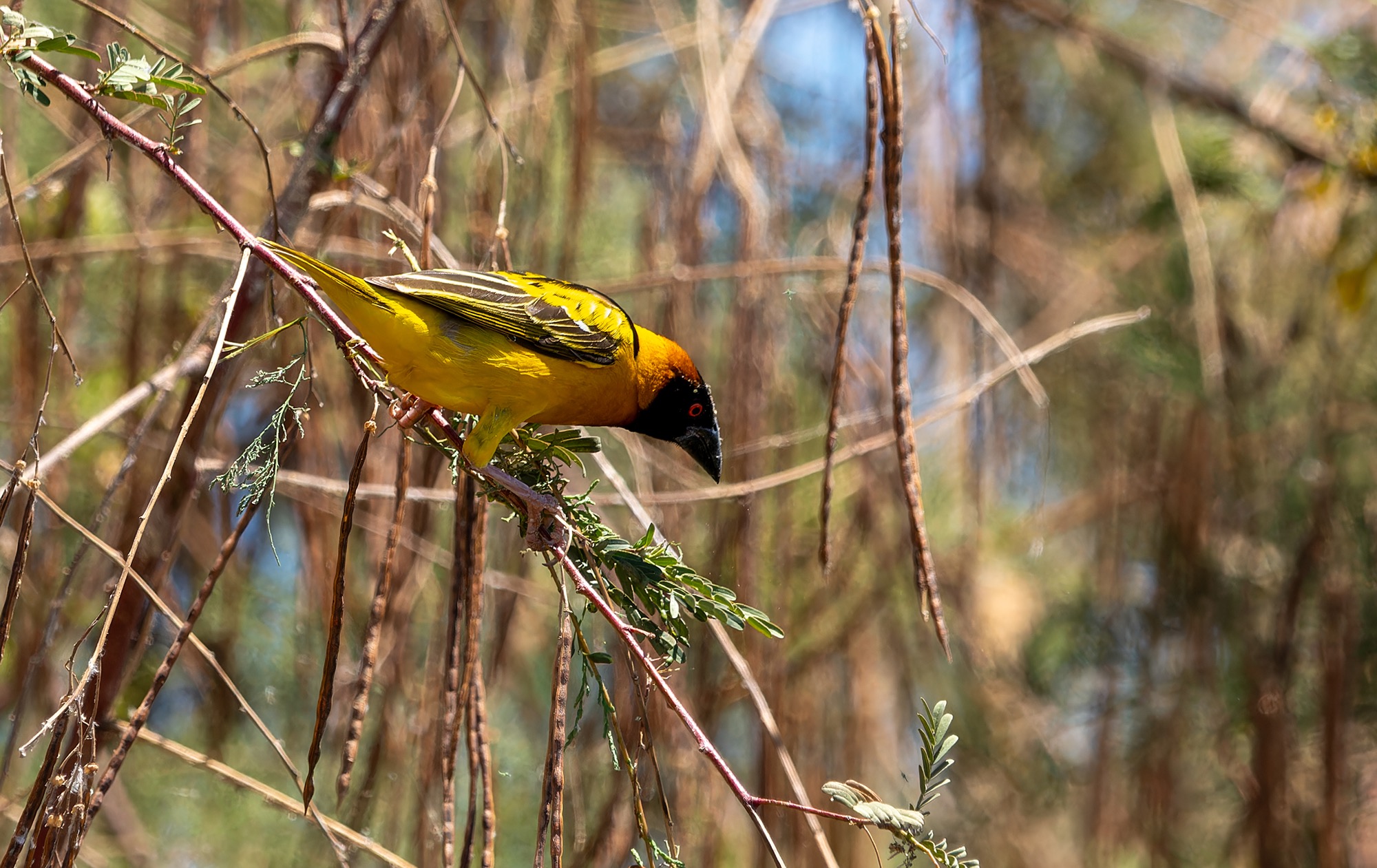
The following day we headed out on a boat into Lake Nasser. It's hard to comprehend how massive this lake is and it took a couple of hours to reach some small, reed-fringed islands where we saw several stunning Village Weavers. We mostly saw the magnificent males in breeding plumage and only had two sightings of females. Having seen this species numerous times across Africa, these males were like gorgeous bright-yellow lightbulbs absolutely glowing in the sunshine, and nothing like I remembered them to be! Amazing! After lunch at our hotel we headed out to a section of Airport Bay to see what was around. At least 6 Kittlitz's Plovers were found on the drier areas just inland from the water's edge, and we also had a Yellow-billed Stork fly in and appeared to be ready to roost. There was also a decent selection of commoner species with a large group of Little Stints and others. We waited until dusk hoping for Egyptian Nightjar, but that didn't go to plan although the views of several Plain (Brown-throated) Martins as they hawked for insects right above us were really cool.
Our last day at Abu Simbel began with a repeat visit to the waxbill site, where despite being early was pretty quiet. So Ismael took us to another spot nearby overlooking some weedy fields where we found a flock of 20+ Crimson-rumped Waxbills feeding with a bunch of Indian Silverbills. We spent quite a while watching them and trying to get some photos and was a thoroughly enjoyable experience. Following this we returned to the same section of Airport Bay, seeing much the same species as yesterday, although a Marsh Sandpiper was new in. So we decided to call it quits and return to the hotel for lunch and to pack before driving back up to Aswan. We'd a very early morning flight to Cairo the following morning so upon arrival at a lovely little guest house not too far away from the airport we decided to just chill and have a look what we could find in the immediate vicinity. The hotel was in a superb location, being surrounded on three sides by reedbeds and waterways adjacent to the Nile and several small islands. And what a good time we had, seeing Little Bittern, Purple Heron, Eastern Olivaceous Warbler and others from the hotel. A little walk out in the early evening sunshine produced some really close African Green Bee-eaters, Senegal Thick-knee, African Pied Wagtail and even an immature Yellow-billed Stork. We rounded the day of with some sneaky beers and a delicious dinner before retiring to our beds for a short sleep!!!
DAYS 6-8: CAIRO - ABASSA - FAIYOUM - MINYA
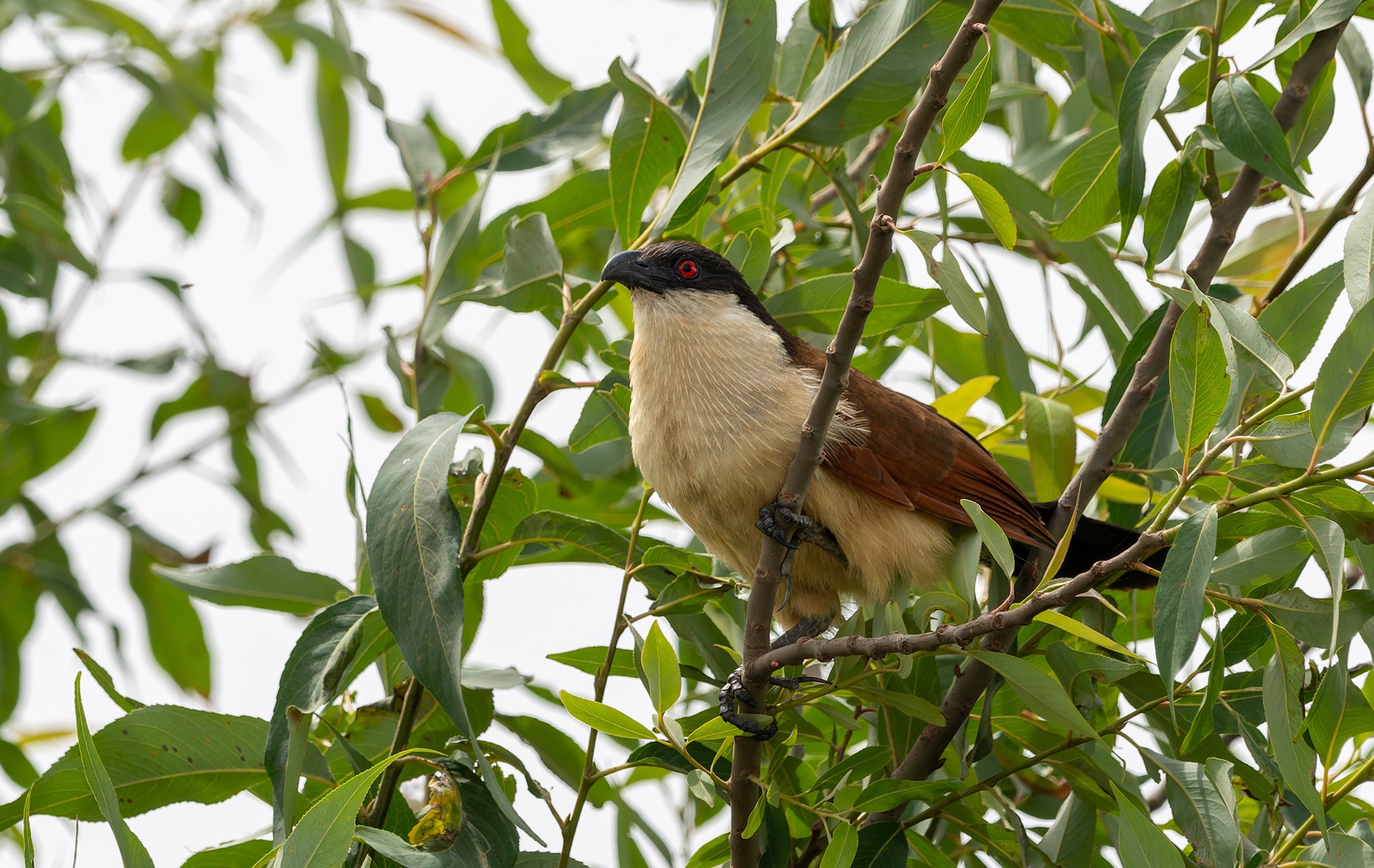
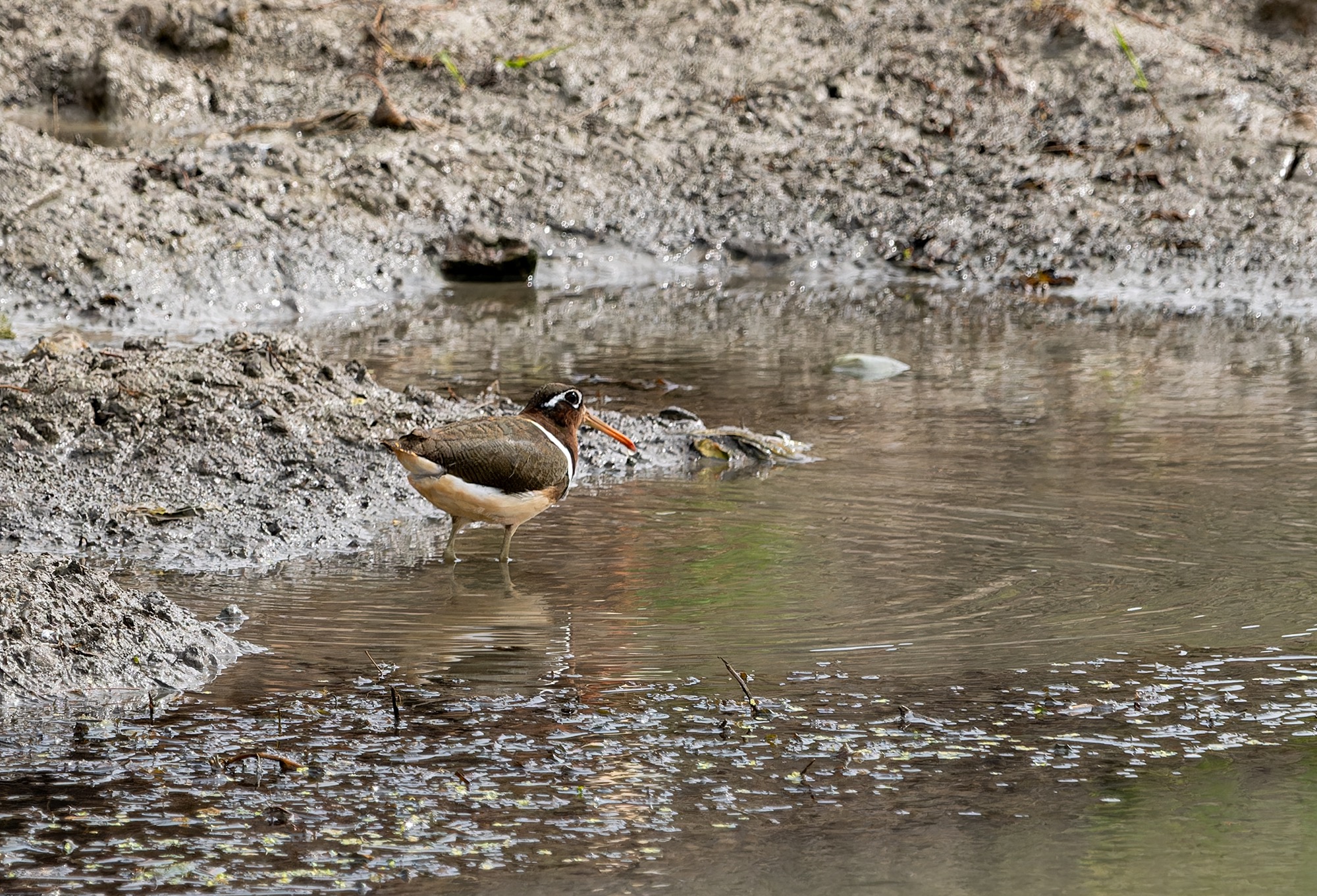
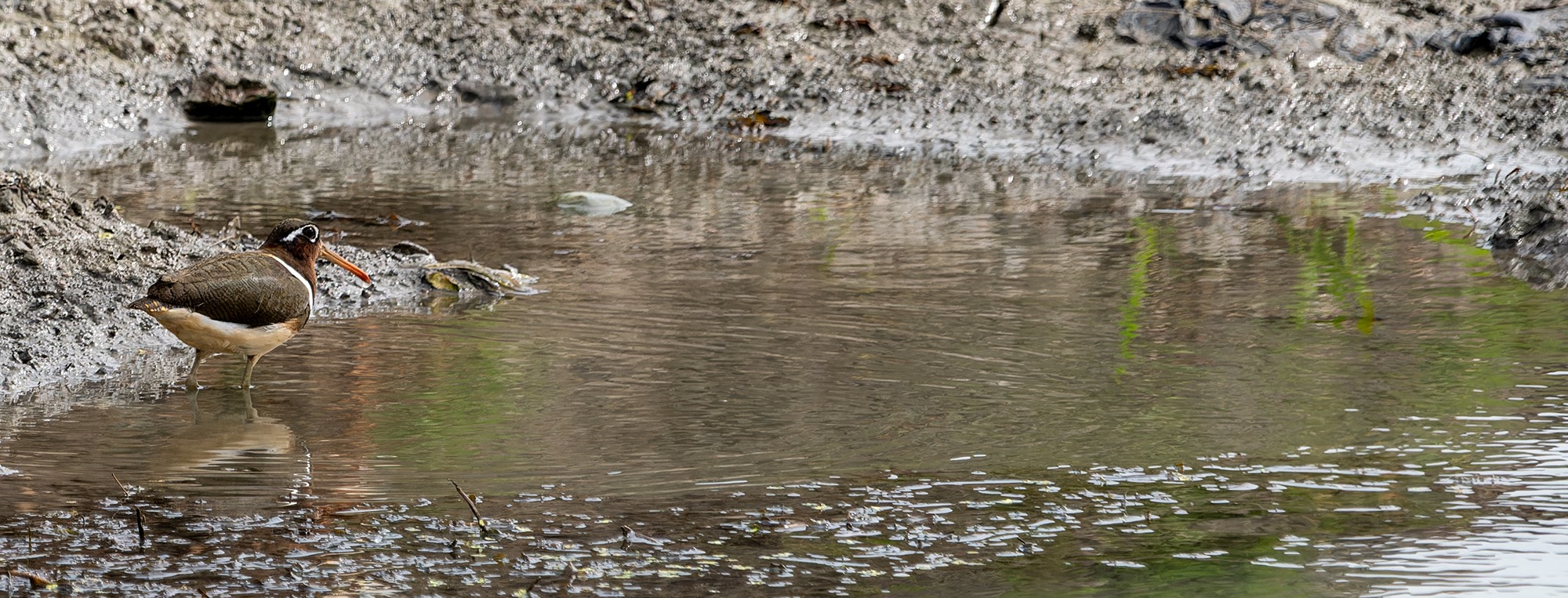
We bid our farewells to Ismael, who had been a fantastic guide and took the first flight at 04;40 back to Cairo and hooked up with our next excellent local guide Alfred Firo, before driving a couple of hours to Abassa. This area of fishponds is rather famous as THE place to see Senegal Coucal, but it wasn't easy! The first good sighting was of 4 Greater Painted Snipes sitting quietly at the edge of the first pond and those females looked really impressive in the scope! There were many Eurasian Hoopoes, Red-rumped Swallows, Zitting Cisticola, and lots of European Bee-eaters present. We walked out into the middle of this huge area searching for councils without seeing any, finding yet more Greater Painted Snipes (7 in all) which never disappoint. Returning to the minibus, we walked another side road and after a bit off a wait a Senegal Coucal began calling nearby. Somehow we had walked right by it and it was behind us. Slowly it made its way to the top of a roadside tree and began giving a fantastic display as it bowed his head each time he called and didn't seem the least bit perturbed by us.
The following day began at Wadi Degla where we hoped to find Hooded Wheatear. it was less than an hour's drive and we arrived really early, so began walking through the arid wadi with overcast skies and relatively cool temperatures which made for a nice change. We saw numerous White-crowned Wheatears, a brief Mourning Wheatear, whilst frustratingly only heard Sand Partridge and Scrub Warbler. Migrants were on the move and we saw several Masked Shrikes, Woodchat Shrike, a female Ruppell's Warbler, Common Nightingale and a stunning male Common Rock Thrush. But alas no hoodies! From here we drove across to Faiyoum and checked out some pools where in the midday heat our best find was a pair of Black Storks. We searched in vain for Red Avadavat, and this proved frustratingly to be our only dip of the tour.
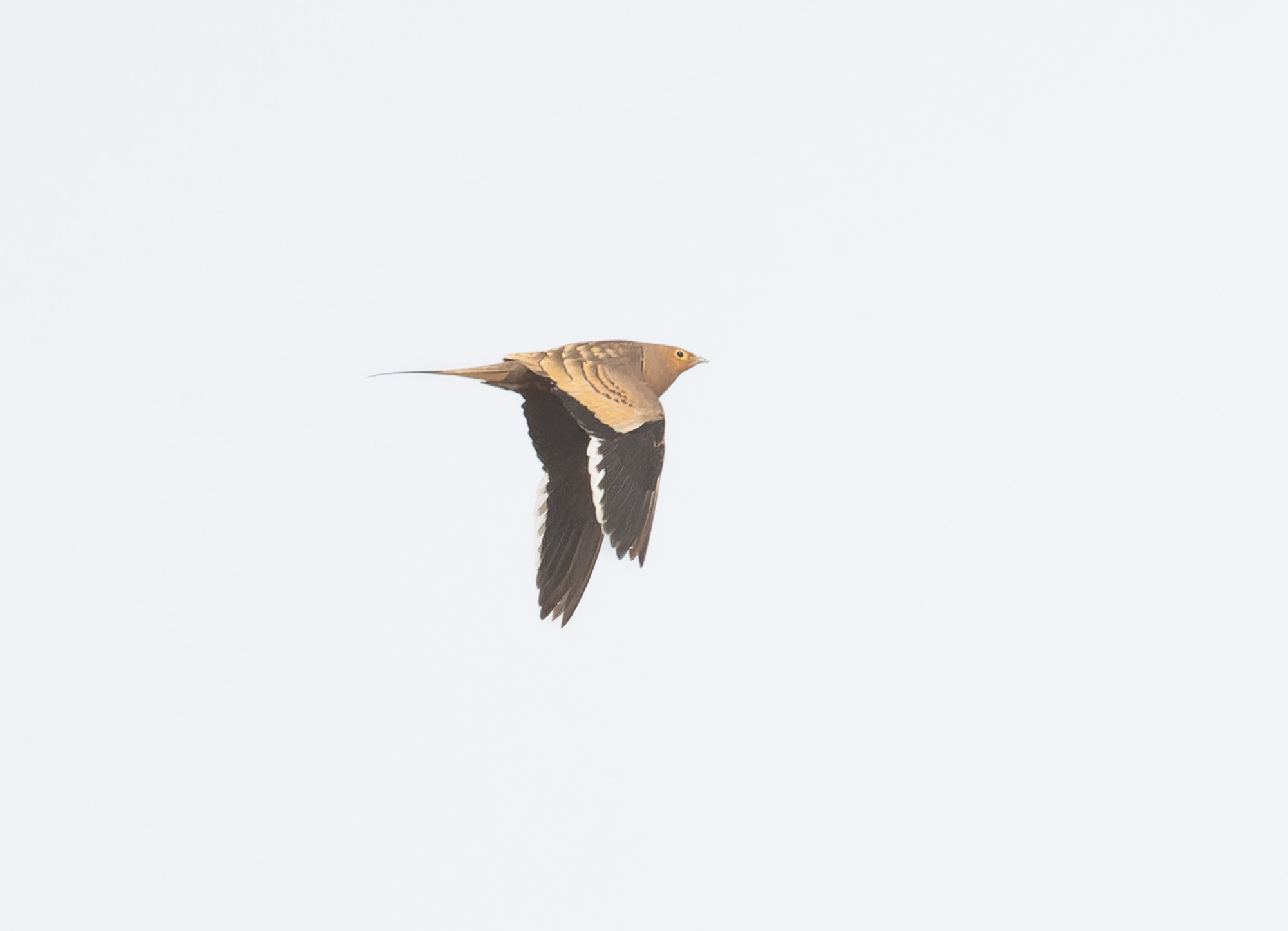
However, we saved the best for last as our final day saw us driving nearly four ours south of Cairo towards Minya and our quest to see one of the rarest Western Palearctic species - Chestnut-bellied Sandgrouse. After parking the minibus and leaving our police escort behind, we walked some distance out into the semi-desert towards a cultivated area where we eventually picked up this fabled species, thanks to Vince's sharp eyes. In fact there were a number of sandgrouse present, mainly hiding in the grass. Over time we enjoyed fantastic flight views as they came and went from this favoured feeding area and needless to say, everyone was highly delighted at seeing this species, which was thought extinct in the WP until it was relocated in this small area in 2012. We also saw many Crested Larks, a Tawny Pipit and a superb male Montagu's Harrier quartering the fields as well. And that was pretty much our birding over with. W head another delicious meal before heading back to Cairo where yet another meal was taken, as we enjoyed watching the light show at The Pyramids of Giza before retiring for the night.
All that remained was to say our goodbyes to Alfred, who had been an excellent guide and set out on our journeys home and preparations for the next WP adventure!
BIRDLIST TO FOLLOW...........
Heading Text
Heading Text
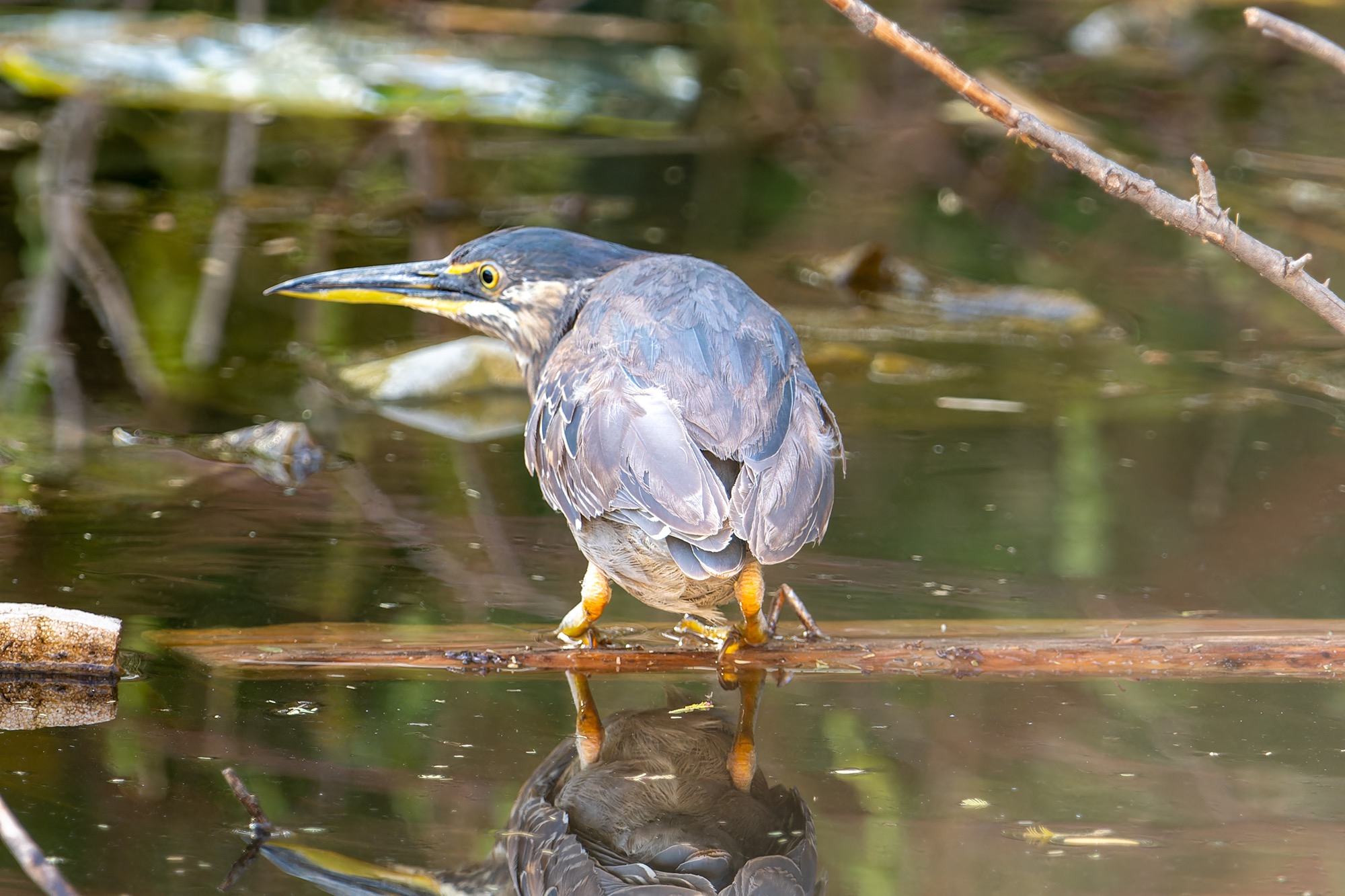
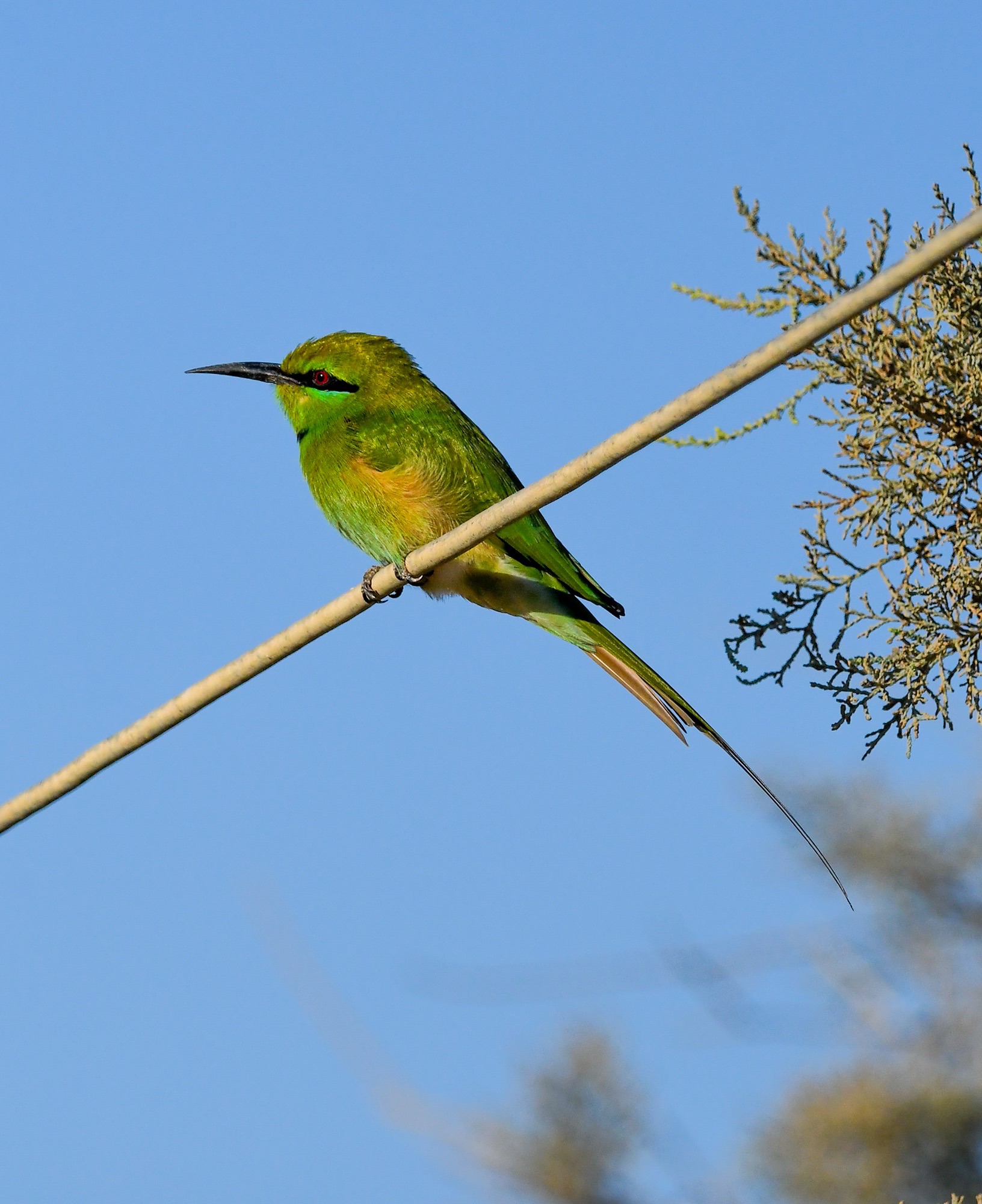
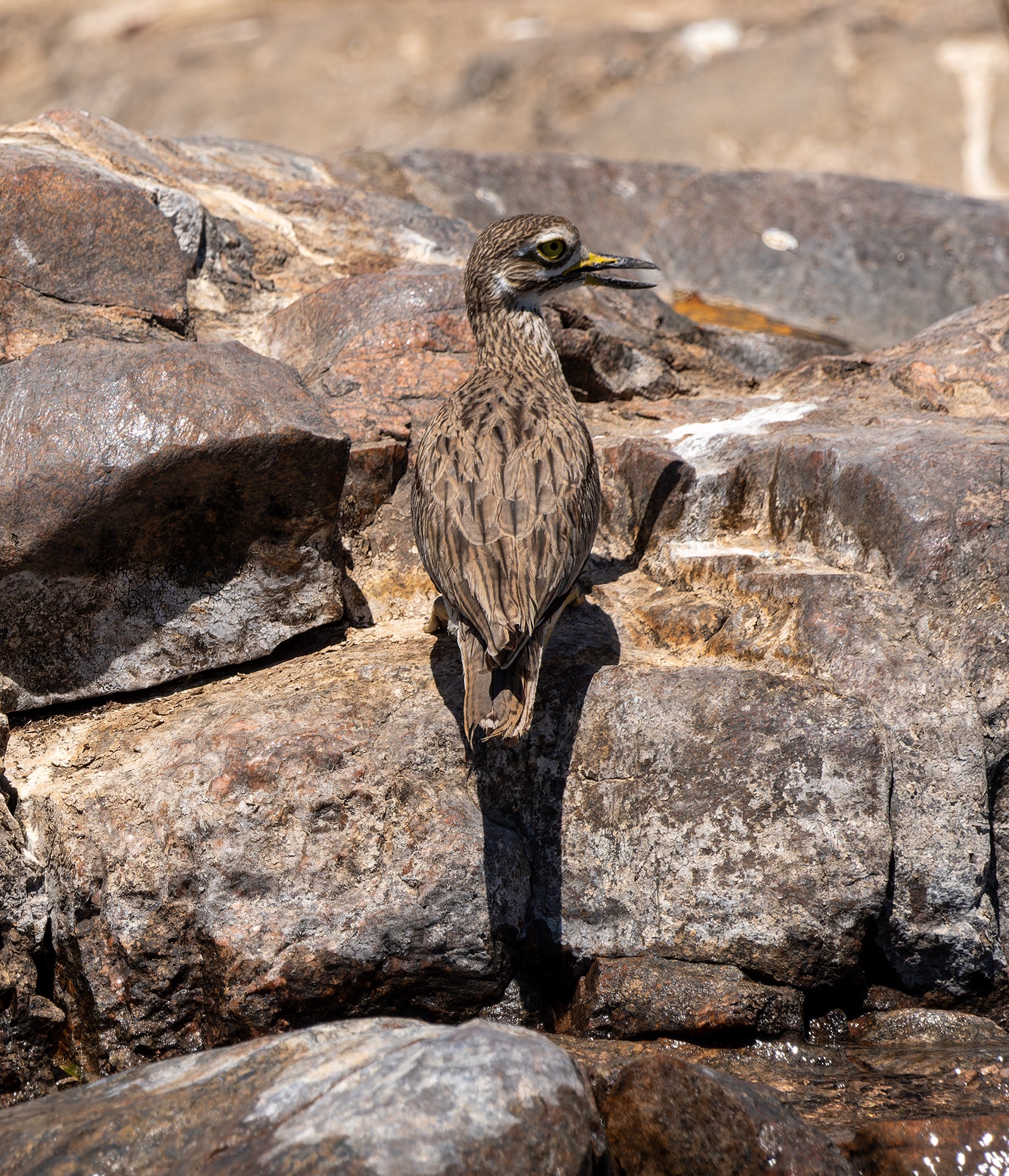
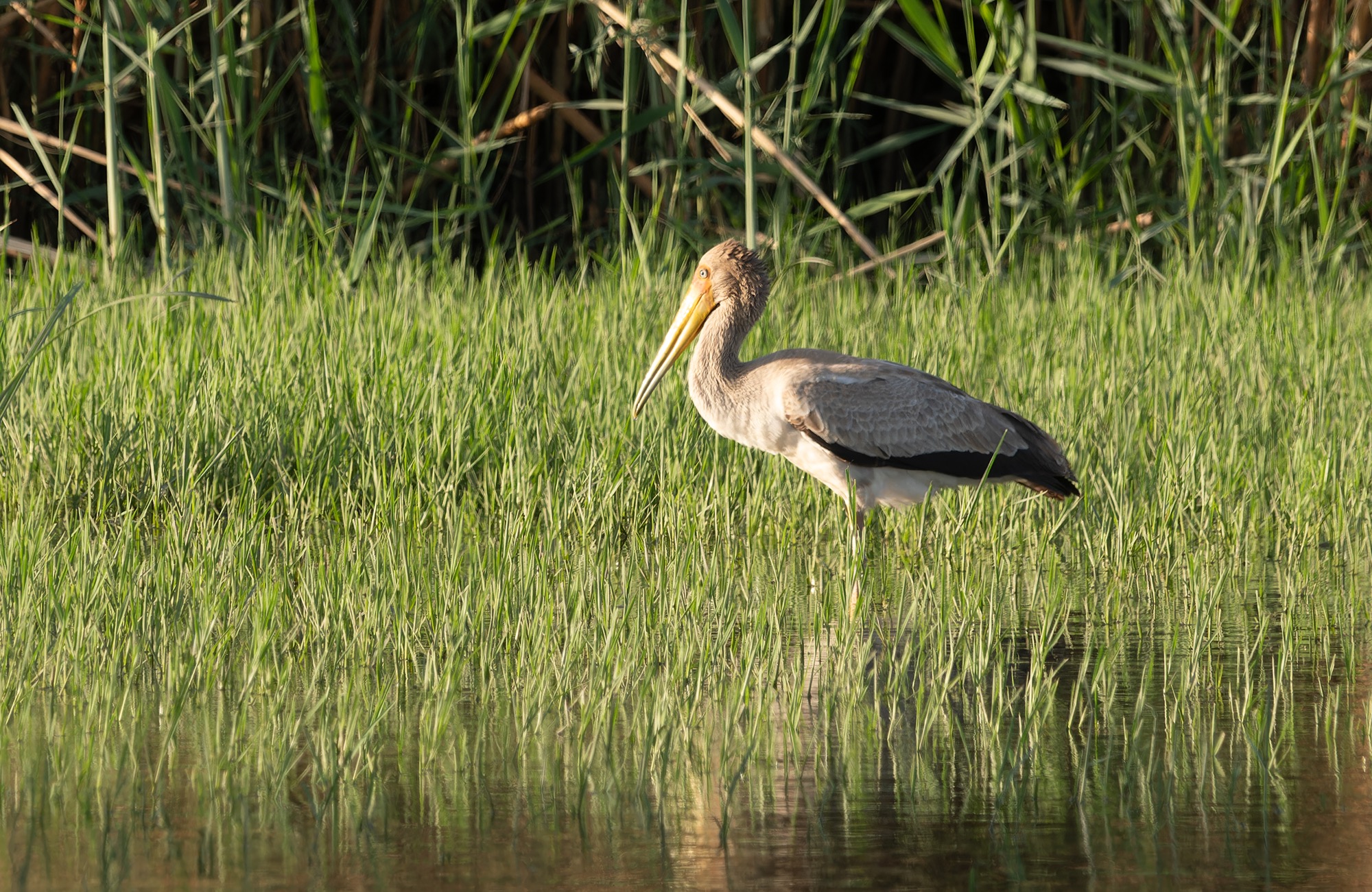
Photos above: Senegal Thick-Knee, imm Yellow-billed Stork, Little Heron & African Green Bee-eater
Heading Text
Heading Text
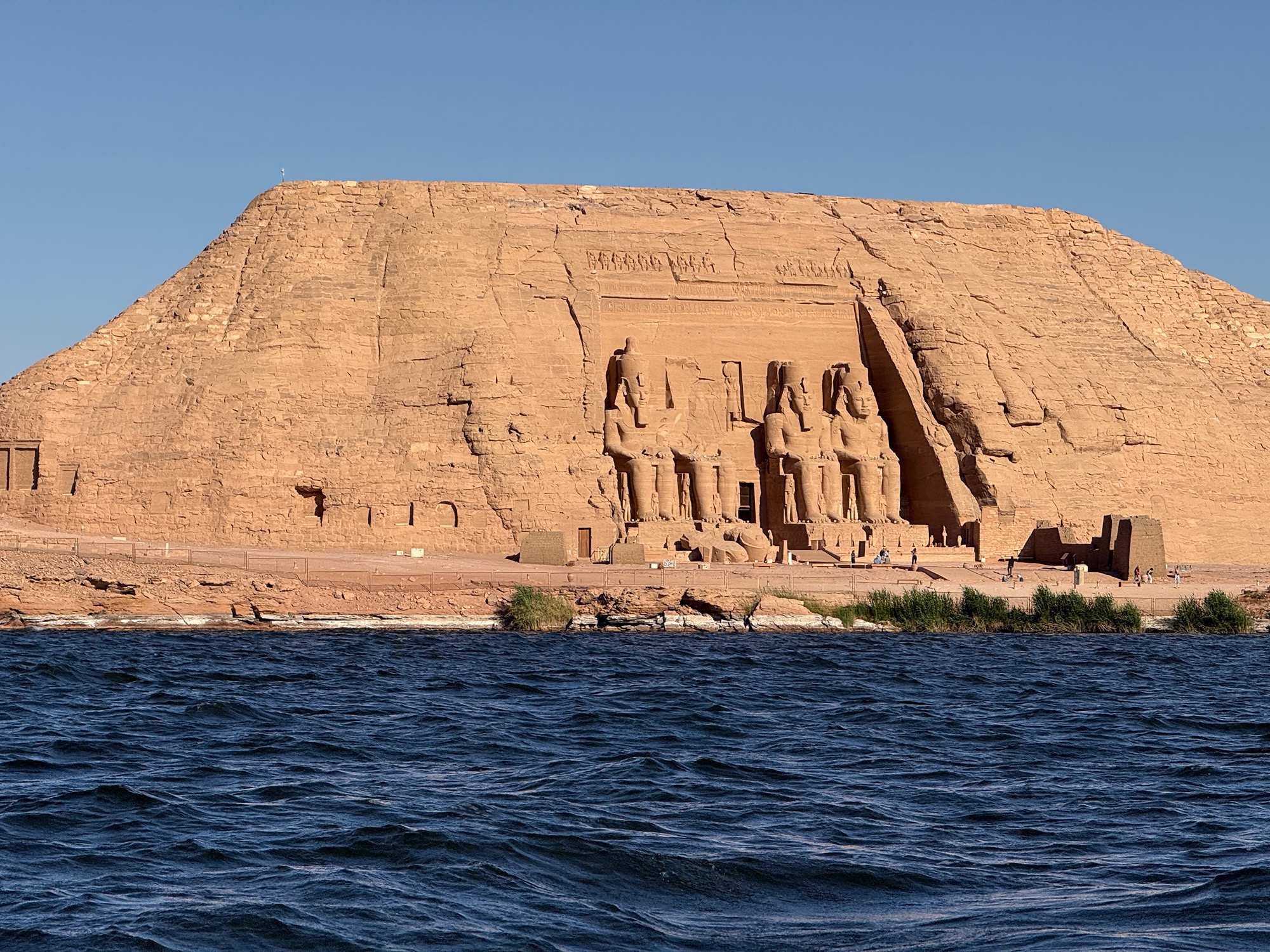
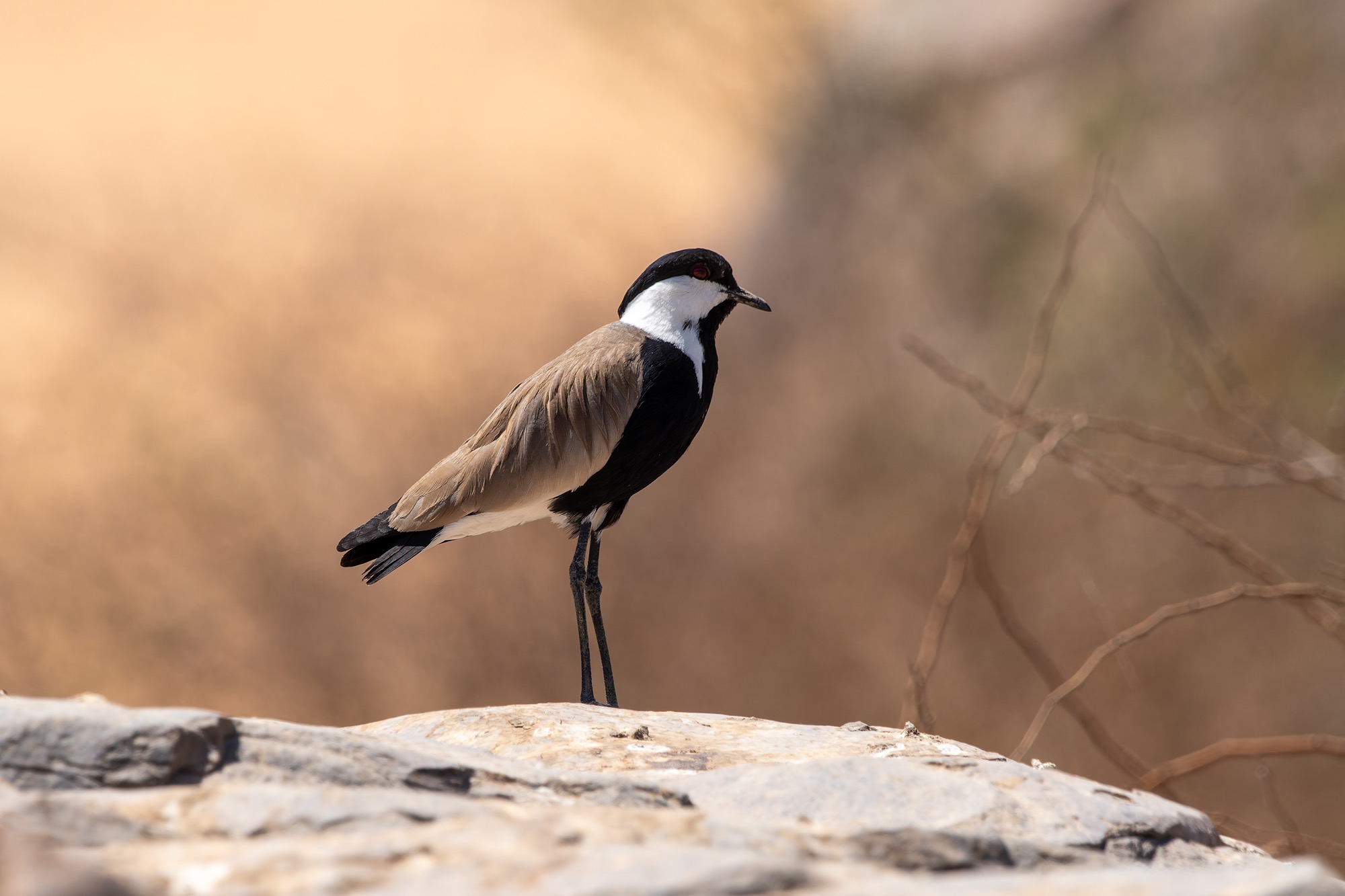
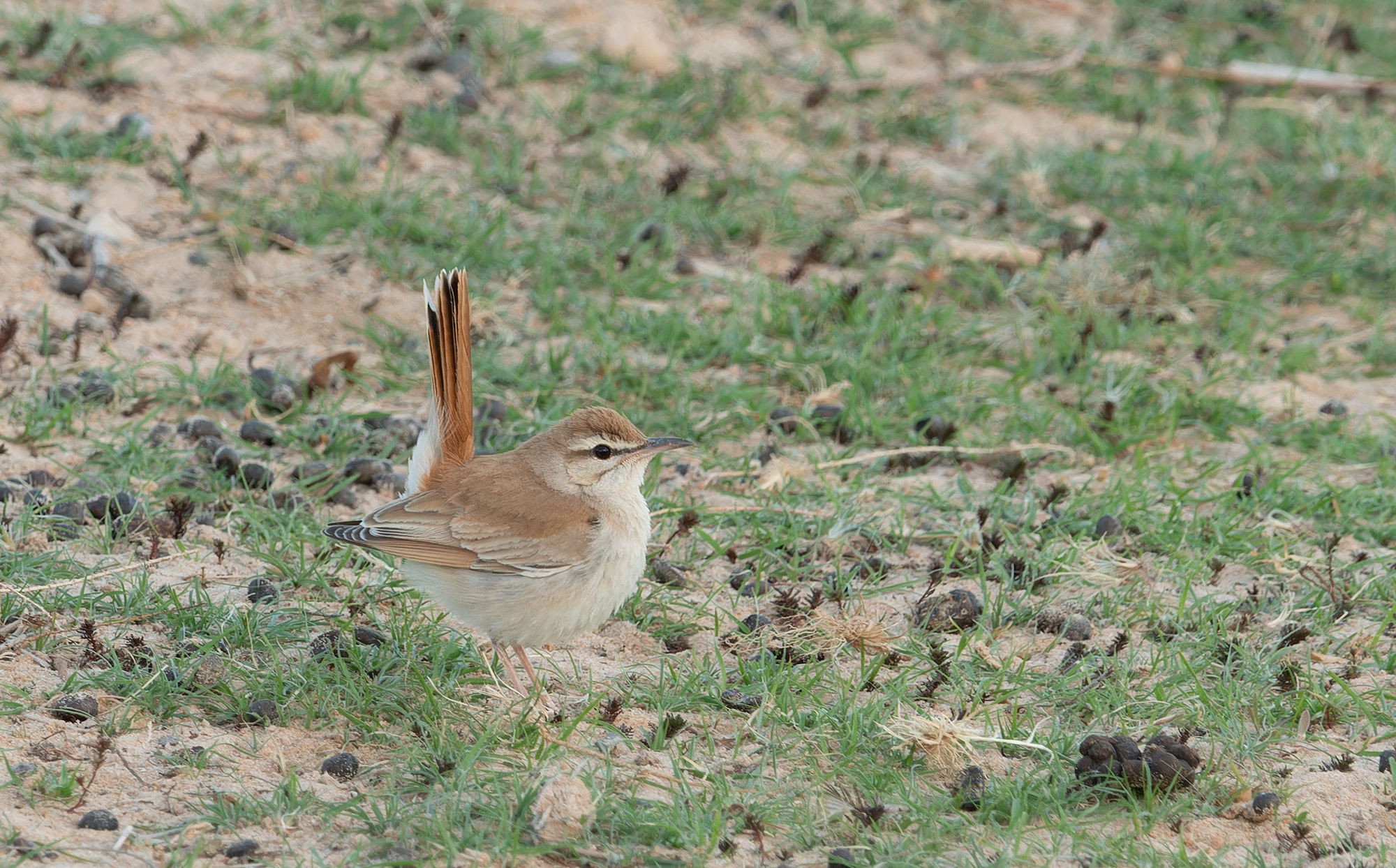
Photos Above: Spur-winged Lapwing, Rufous Bushchat & Abu Simbel Temple